
Lots of baby boomers are looking for a change as they get ready for retirement. They’ve spent years in busy cities, and now many are thinking about moving somewhere quieter. This idea of baby boomers retiring to small towns is becoming a popular topic. It seems like the charm of a simpler life, along with some practical benefits, is drawing them away from the hustle and bustle. This article will look into why small towns are becoming such a big draw for this generation.
Key Takeaways
- Small towns offer a calmer way of life, far from city noise and crowds.
- Living costs are usually lower in small towns, which helps retirement savings go further.
- Small towns often have less crime, making them feel safer.
- Many small towns still have easy access to necessary services and stores.
- Baby boomers moving to small towns can help these areas grow and stay active.
The Allure of a Simpler Pace of Life
For many baby boomers, the appeal of small towns lies in the promise of a less hectic, more fulfilling lifestyle. It’s about trading the stresses of urban living for the tranquility and close-knit communities that small towns often provide. The idea of slowing down and enjoying life’s simple pleasures becomes increasingly attractive as retirement approaches. It’s not just about escaping the noise; it’s about finding a place where life feels more manageable and connected.
Escaping Urban Congestion
One of the biggest draws of small-town living is the absence of constant traffic jams and crowded streets. Imagine a life where you can run errands without spending hours stuck in traffic, or where a leisurely stroll doesn’t involve dodging hordes of people. This ease of movement translates to less stress and more time to enjoy the things you love. The simple act of getting around becomes a pleasure rather than a chore.
Embracing Tranquil Surroundings
Small towns often boast beautiful natural landscapes, from rolling hills and serene lakes to lush forests and open fields. This proximity to nature offers ample opportunities for outdoor recreation and relaxation. The peace and quiet of these surroundings can be a welcome change from the constant noise and stimulation of city life. It’s about waking up to the sound of birds chirping instead of car horns blaring, and breathing in fresh air instead of exhaust fumes. Tranquility becomes a way of life.
Rediscovering Community Connections
In small towns, people tend to know their neighbors and actively participate in community events. This creates a strong sense of belonging and fosters meaningful relationships. It’s about more than just waving hello; it’s about supporting local businesses, volunteering for community projects, and celebrating local traditions together. The slower pace of life allows for deeper connections and a stronger sense of community spirit. You might even find yourself attending town hall meetings or joining a local book club. It’s a chance to reconnect with others on a more personal level.
Small towns offer a unique opportunity to build lasting relationships and become an integral part of a community. This sense of belonging can be incredibly rewarding, especially during retirement when social connections become even more important.
Financial Advantages of Small Town Living
Lower Cost of Living
One of the biggest draws of small-town life is the significantly lower cost of living. It’s just a fact. Everything from groceries to entertainment tends to be cheaper than in bustling urban centers. This can really stretch your retirement savings, allowing you to live more comfortably on a fixed income. You might be surprised at how much you can save just by relocating. This is especially true if you’re coming from a major metropolitan area where prices are inflated. It’s not just about saving money; it’s about having more financial freedom.
Affordable Housing Opportunities
Housing costs are often the most significant expense for retirees, and small towns typically offer much more affordable options. You can often find larger homes with bigger yards for a fraction of the price you’d pay in a city. This could mean the difference between renting an apartment and owning a home outright. Plus, lower property taxes in many rural areas can further reduce your monthly expenses. It’s not just about the initial purchase price either; ongoing maintenance and upkeep are often cheaper too. This can free up your budget for other things, like travel or hobbies. Consider looking into real estate options early.
Reduced Tax Burdens
In addition to lower property taxes, many small towns and rural counties offer other tax incentives that can benefit retirees. These might include exemptions on certain types of retirement income or reduced sales tax rates. It’s worth doing your research to see what tax advantages are available in the areas you’re considering. Every little bit helps, especially when you’re living on a fixed income. These savings can add up over time, making a significant difference in your overall financial well-being. Don’t underestimate the power of tax planning!
Moving to a small town can be a smart financial move for retirees. The lower cost of living, affordable housing, and reduced tax burdens can free up your budget and allow you to enjoy a more comfortable and fulfilling retirement. It’s not just about saving money; it’s about creating a lifestyle that you can afford and enjoy for years to come.
Here’s a quick comparison of average expenses:
| Expense | Big City | Small Town |
|---|---|---|
| Housing (Rent) | $2,500 | $1,200 |
| Groceries | $500 | $350 |
| Property Taxes | 2% | 0.8% |
| Entertainment | $300 | $150 |
Enhanced Safety and Security
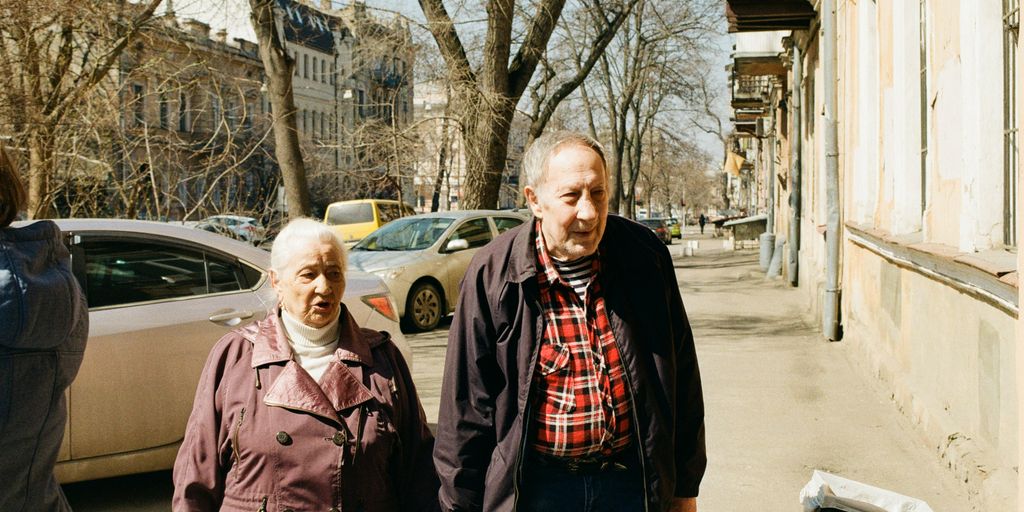
One of the biggest draws for baby boomers considering small-town retirement is the sense of safety and security. It’s not just about feeling safe; it’s about actually being safer.
Decreased Crime Rates
Small towns generally experience lower crime rates compared to larger cities. This can be attributed to several factors, including stronger community bonds and a greater sense of personal responsibility among residents. You’re more likely to know your neighbors, and that makes a difference. It’s nice to feel like you can leave your door unlocked (though I still wouldn’t recommend it!).
Vigilant Community Oversight
In smaller communities, residents often look out for one another. This informal community oversight can act as a deterrent to crime. People notice when something is out of place, and they’re more likely to report suspicious activity. It’s like having a neighborhood watch, but on a much larger scale. This is one of the top retirement destinations for a reason.
Responsive Local Law Enforcement
Local law enforcement in small towns tends to be more responsive and engaged with the community. Officers often know residents by name and are more accessible. This close relationship can lead to quicker response times and a greater sense of trust between law enforcement and the public. Plus, it’s just nice to see a friendly face around town. The Southern US offers excellent retirement options for those seeking a safe and secure environment.
Living in a place where you feel safe and secure can significantly reduce stress and improve your overall quality of life. It’s about more than just avoiding crime; it’s about having peace of mind and feeling comfortable in your surroundings.
Here’s a quick comparison of crime rates (per 100,000 people) between a hypothetical small town and a large city:
| Crime Type | Small Town | Large City |
|---|---|---|
| Violent Crime | 150 | 600 |
| Property Crime | 800 | 2500 |
| Overall Crime Rate | 950 | 3100 |
As you can see, the difference can be pretty significant. This enhanced safety is a major factor for retirees seeking a more relaxed and secure lifestyle.
Here are some ways small towns foster this sense of security:
- Active neighborhood watch programs
- Community events that promote social interaction
- Well-lit streets and public spaces
- Visible police presence
Convenient Access to Modern Amenities
It’s a common misconception that retiring to a small town means sacrificing modern conveniences. While a slower pace of life is definitely part of the appeal, many baby boomers are pleasantly surprised to find that small towns offer a balance between tranquility and accessibility. You might be surprised at how much you can get done without the big city hassle.
Essential Services Within Reach
Small towns aren’t isolated outposts anymore. Most offer essential services like grocery stores, pharmacies, and medical clinics. It’s not unusual to find a local doctor’s office or a small hospital nearby. For specialized care, larger medical centers are often within a reasonable driving distance. It’s all about knowing where to look and planning ahead. For example, Metamora, IL, is less than 20 miles from the large Trauma 1 hospitals in Peoria, IL. This is a great example of how you can have the best of both worlds.
Local Shopping and Dining
Forget the big chain stores and embrace the charm of local businesses. Small towns often have unique boutiques, antique shops, and family-owned restaurants. You’ll find that the shopping experience is more personal and the food is often homemade with love. Plus, you’re supporting the local economy, which is a great feeling. It’s a win-win!
Reliable Connectivity Options
Staying connected is important, especially in retirement. Fortunately, most small towns now have reliable internet and cell phone service. You can easily keep in touch with family and friends, stream your favorite shows, and even work remotely if you choose.
Don’t let the idea of being disconnected hold you back. Many small towns have invested in improving their infrastructure to meet the needs of their residents. You might even find that your internet is faster than it was in the city!
Nostalgia and Familiarity
For many baby boomers, the draw of small towns isn’t just about peace and quiet; it’s a journey back in time. It’s about reconnecting with a past that feels increasingly distant in our fast-paced world. The charm of a place where everyone knows your name, and where life moves at a more human pace, holds a powerful appeal.
Recapturing Childhood Memories
Small towns often evoke a sense of nostalgia, reminding boomers of their own childhoods. Maybe it’s the local diner that hasn’t changed in fifty years, or the annual town fair that still features the same games and treats. These familiar touchstones can bring back cherished memories and a sense of comfort. It’s like stepping back into a simpler time, free from the complexities of modern life. It’s a chance to relive the innocence and joy of youth, even if just for a little while.
A Sense of Belonging
In a world that often feels isolating, small towns offer a strong sense of community. People look out for each other, and there’s a genuine connection between neighbors. This feeling of belonging can be incredibly appealing, especially for retirees who may be seeking a more supportive and connected environment. It’s about finding a place where you truly feel like you matter, where your presence is valued, and where you’re part of something bigger than yourself. It’s easier to find senior housing in a place where you feel like you belong.
Comfort in Established Traditions
Small towns are often steeped in tradition, with long-standing customs and events that have been passed down through generations. These traditions provide a sense of stability and continuity, which can be particularly comforting in a world that’s constantly changing. It’s about finding solace in the familiar, in knowing that some things remain constant, and in being part of a community that values its heritage. It’s a stark contrast to the anonymity and transience of big city life. It’s a place where downsizing doesn’t mean losing your identity, but rather rediscovering it.
There’s something deeply comforting about knowing the history of a place, about understanding its roots and its values. It provides a sense of grounding, a feeling of being connected to something larger than oneself. It’s a reminder that we’re all part of a story that’s been unfolding for generations, and that we have a role to play in shaping its future.
Health and Wellness Benefits
Small towns aren’t just about a slower pace; they can seriously boost your health and well-being. It’s not just a feeling; there are tangible reasons why retirees find themselves feeling better than ever after making the move.
Opportunities for Outdoor Activities
One of the biggest draws is the easy access to the great outdoors. Forget crowded gyms and stuffy fitness classes. Small towns often have hiking trails, lakes for fishing, and parks perfect for a leisurely stroll. This encourages a more active lifestyle without even feeling like you’re exercising. I know a lot of people who have taken up birdwatching after moving to a small town, and they are walking miles every week!
Reduced Stress Levels
City life can be incredibly stressful. The constant noise, traffic, and pressure can take a toll on your mental and physical health. Small towns, on the other hand, offer a much calmer environment. Less traffic, less noise, and a slower pace of life can significantly reduce stress levels.
I remember visiting my aunt in her small town. The first thing I noticed was how quiet it was. It was such a relief after the constant sirens and honking of the city. She said her blood pressure dropped significantly after moving, and she felt like she could finally breathe.
Access to Local Healthcare Facilities
While small towns might not have the same number of specialized hospitals as big cities, they often have excellent local healthcare facilities. These facilities provide essential services, and the smaller patient load often means more personalized care. Plus, you’re more likely to develop a relationship with your doctor, which can lead to better overall health outcomes. Many smaller towns are also located within a reasonable driving distance of larger medical centers, providing access to specialized care when needed. It’s also worth noting that Canadian cities offer benefits for retirees, including healthcare.
Here’s a quick look at some potential health benefits:
- Improved air quality
- Increased physical activity
- Stronger social connections
- Reduced exposure to crime
- Better sleep quality
It’s not all sunshine and roses, of course. A health crisis can still happen, even in a small town. But overall, the lifestyle in a small town can be incredibly beneficial for your health and well-being.
The Role of Baby Boomers in Rural Growth
Impact on Local Economies
Baby Boomers moving to small towns can significantly impact local economies. Their spending habits, from housing to everyday goods and services, can inject much-needed capital into these communities. Increased demand can spur local businesses to expand, creating job opportunities and boosting the overall economic health of the area. However, it’s not always a straightforward positive. The types of businesses that thrive might shift to cater to the needs and preferences of the boomer population, potentially altering the character of the town.
Contributing to Community Vibrancy
Boomers often bring a wealth of experience and skills that can enrich community life. Many are eager to volunteer, participate in local organizations, and contribute to civic projects. This involvement can revitalize community initiatives, support local schools, and enhance cultural activities. They might start new clubs, organize events, or mentor younger generations, adding to the social fabric of the town. It’s a chance for them to share their knowledge and passion, while also finding new purpose in retirement. The unretirement trend is a great example of this.
Shaping Future Demographics
The influx of Baby Boomers can dramatically reshape the demographic makeup of small towns. This can lead to an aging population, which presents both opportunities and challenges. On one hand, it can strain local healthcare resources and require adjustments to infrastructure to accommodate the needs of older residents. On the other hand, it can create a demand for specialized services and facilities, such as assisted living and retirement communities. It’s a balancing act for local leaders to manage these demographic shifts effectively. The aging population is something to consider.
The migration of Baby Boomers to rural areas is not a guaranteed boon. It requires careful planning and community engagement to ensure that the benefits are maximized and the challenges are addressed proactively. This includes investing in infrastructure, supporting local businesses, and fostering a welcoming environment for all residents, regardless of age.
So, Is Small Town Life for You?
Ultimately, the choice to move to a small town for retirement is a big one. It’s not going to be for everyone, that’s for sure. But for a lot of baby boomers, the idea of quieter streets, friendly faces, and a slower pace just sounds right. It’s about finding a place where your money goes further, where you feel safe, and where neighbors actually know your name. While some folks might miss the city buzz, many are finding that the peace and comfort of a small town is exactly what they’ve been looking for all along. It really just comes down to what kind of retirement you’re dreaming of.
Frequently Asked Questions
Why are Baby Boomers moving to small towns for retirement?
Many older Americans are choosing small towns because they offer a calmer way of life, lower living costs, and a strong sense of community. It’s a chance to get away from the fast pace and high prices of big cities.
Is it really cheaper to live in a small town?
Yes, small towns often have much lower living costs. This means things like housing, groceries, and taxes can be cheaper, helping your retirement savings go further.
Are small towns safer places to live?
Small towns generally have less crime than larger cities. Neighbors tend to look out for each other, and local police can respond faster, making people feel safer.
Will I still have access to everything I need in a small town?
While small towns might not have everything a big city does, most offer important services like doctors, grocery stores, and places to eat. Many also have good internet and phone service.
What’s the appeal of nostalgia in small town retirement?
For many, small towns bring back happy memories from their childhood. This feeling of familiarity and belonging, along with old traditions, can be very comforting during retirement.
How can moving to a small town benefit my health?
Living in a small town can be good for your health. There are often more chances to be active outdoors, less stress from daily life, and access to local healthcare facilities.