
As baby boomers get older, choosing where to live becomes a big deal. They have more choices than ever, from staying in their own homes to moving into a community setting. Figuring out what works best can be tricky, and it’s not just about picking a place to live—it’s about finding a spot that fits their lifestyle, health needs, and financial situation. Let’s explore some of these housing options and what they offer.
Key Takeaways
- Senior housing options range from independent living to assisted care, each offering different levels of support.
- A lot of boomers want to stay in their current homes, which is changing the housing market dynamics.
- Community living options like coliving and multi-generational communities are becoming popular among boomers.
- Financial readiness, including understanding home equity and tax implications, is crucial when considering housing options.
- Technology and changing preferences are shaping new trends in senior living, making it more adaptable to individual needs.
Understanding Senior Housing Options

Types of Senior Housing
When it comes to senior housing, there’s a whole range of options out there, each catering to different needs and lifestyles. You’ve got independent living communities for those who want to maintain their freedom but enjoy some communal perks. Then there are assisted living facilities, which offer a bit more help with daily activities while still promoting independence. For those needing specialized care, memory care units focus on individuals with Alzheimer’s or dementia. And let’s not forget about continuing care retirement communities (CCRCs), which provide a blend of these services, allowing residents to age in place.
Benefits of Different Options
Each type of senior housing has its own set of benefits. Independent living is great for those who want to downsize and enjoy social activities without the hassle of home maintenance. Assisted living facilities provide peace of mind with 24/7 support and healthcare services. Memory care units offer a safe environment tailored to cognitive needs. CCRCs are ideal for those looking for a long-term solution as they offer a continuum of care, adapting to the resident’s changing needs over time.
Choosing the Right Fit
Picking the right senior housing option can feel overwhelming, but it doesn’t have to be. Start by assessing your current and future needs. Do you need help with daily activities? Or are you looking for a vibrant community to join? Make a list of must-haves and nice-to-haves. Visit different communities, talk to residents, and ask about the services and amenities. Trust your instincts; if a place feels right, it probably is. Remember, the goal is to find a place where you or your loved one can thrive and feel at home.
The Desire to Age in Place
Reasons for Staying Put
Many Baby Boomers are choosing to stay in their homes as they age. They feel a strong connection to their communities and homes, which have been part of their lives for decades. It’s not just about comfort; it’s about maintaining a sense of identity and independence. Financial stability also plays a role, as many Boomers have saved enough to sustain their current living situations. Health-wise, they often feel healthier and more active than previous generations at the same age, encouraging them to continue living independently.
Impact on Housing Market
With Boomers opting to age in place, the housing market is experiencing some significant shifts. There’s less movement in the market, leading to fewer homes available for younger buyers. This trend contributes to a real estate bottleneck, where demand outpaces supply. The ripple effects are evident in rising home prices and increased competition among buyers. Additionally, the need for home renovations and adaptations to accommodate aging residents is boosting certain sectors of the economy.
Support for Aging in Place
To successfully age in place, Boomers are relying on various forms of support. In-home care services are becoming increasingly popular, providing assistance with daily activities while allowing individuals to stay in their familiar environments. Community resources, such as senior centers and social programs, offer additional support and engagement opportunities. Technological advancements, like smart home devices and health monitoring systems, also play a crucial role in facilitating independence and safety. These resources collectively help Boomers maintain their desired lifestyle while staying in their beloved homes.
Exploring Community Living Arrangements
Coliving Opportunities
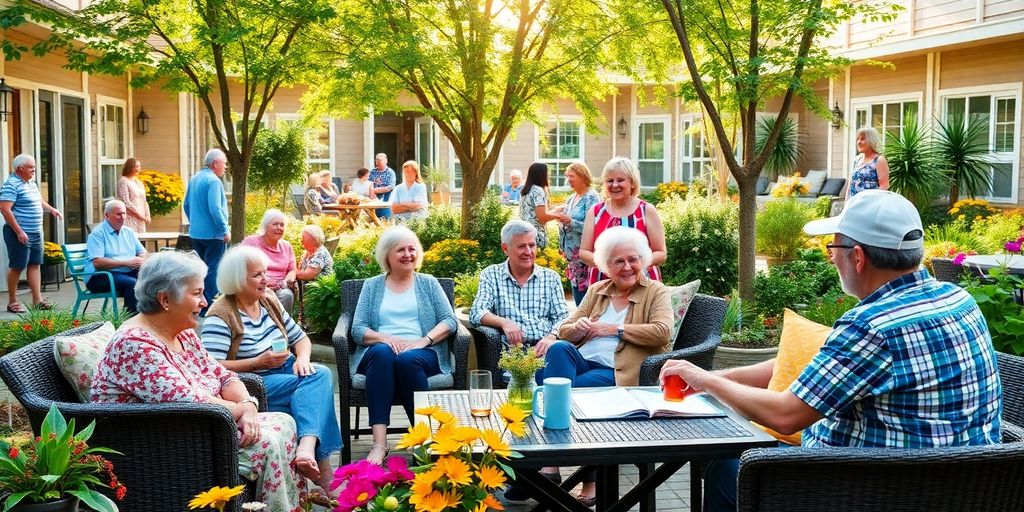
Coliving is catching the eye of many baby boomers as they rethink traditional retirement settings. This arrangement isn’t just about sharing a roof; it’s about building a community. Imagine living in a place where you share common spaces, engage in group activities, and still have your private nook to retreat to. This setup fosters a sense of belonging and reduces loneliness, which is a big plus as we age. Boomers are finding this lifestyle appealing because it offers flexibility and a chance to connect with like-minded individuals. It’s not just for millennials anymore; boomers are embracing the idea of shared living spaces, where they can continue to work, learn, and grow together.
Multi-Generational Communities
Multi-generational communities are another intriguing option. These setups bring together people from different age groups, creating a vibrant mix of experiences and perspectives. In such communities, older adults can enjoy the energy and enthusiasm of younger residents, while younger folks benefit from the wisdom and experience of their older neighbors. It’s a win-win situation. These communities often feature amenities like fitness centers, parks, and educational programs that cater to all ages, making them a dynamic place to live. They reflect a shift towards more inclusive living arrangements, where everyone can contribute and thrive.
Shared Amenities and Services
Shared amenities and services are at the heart of community living arrangements. Whether it’s a communal kitchen, a shared garden, or a fitness center, these features encourage interaction and cooperation among residents. Such amenities not only enhance the quality of life but also help in cutting down individual costs. For instance, having a shared transportation service can be a boon for those who prefer not to drive anymore. These services are designed to make life easier and more enjoyable, ensuring that residents have everything they need within easy reach.
Embracing community living can transform the retirement experience for baby boomers, offering them a supportive and engaging environment. It’s about more than just a place to live; it’s about creating a lifestyle that encourages connection, growth, and fulfillment.
Navigating Financial Considerations
Assessing Financial Readiness
Before making any big decisions about housing, it’s important for Baby Boomers to understand their financial situation. This means taking a good look at savings, investments, and any income sources. You might want to ask yourself:
- How much do I have saved for retirement?
- What are my monthly expenses, and how might they change?
- Do I have any debts that need to be paid off?
A clear picture of your financial readiness can help you avoid surprises down the road.
Understanding Home Equity
For many Boomers, their home is their biggest asset. Home equity can be a powerful tool, whether you’re thinking about downsizing or staying put. It’s the difference between what your home is worth and what you owe on it. Here are a few ways to tap into that equity:
- Downsizing: Selling your home and buying a smaller one can free up cash.
- Reverse Mortgage: This lets you borrow against your home’s value without having to sell.
- Home Equity Loan: Borrow a lump sum against your home’s equity.
Understanding these options can help you make the most of your home equity.
Exploring Tax Implications
Taxes can get complicated, especially when selling a home or withdrawing from retirement accounts. It’s wise to think about:
- Capital Gains Tax: If your home has increased in value, you might owe taxes when you sell.
- Retirement Account Withdrawals: Taking money out of a 401(k) or IRA can affect your tax bracket.
- Estate Planning: Consider how taxes will impact what you leave behind.
Consulting with a tax professional can help you navigate these waters and avoid unexpected tax bills.
Taking the time to understand your financial situation can make a huge difference in how comfortable and secure you feel in retirement. It’s not just about having enough money, but also about knowing how to use it wisely.
Adapting to Changing Consumer Preferences
Boomers vs. Previous Generations
Baby boomers are shaking things up as they enter retirement. Unlike their parents, who might have been content with traditional senior living, boomers want options that reflect their unique tastes and lifestyles. They’re not just looking for a place to live; they want a community where they can thrive. This generation values independence and choice, which means senior living providers have to step up their game. Today’s boomers are more tech-savvy and health-conscious than any generation before them. They expect modern amenities like high-speed internet and smart home features, and they’re not willing to compromise on quality.
Influence of Technology
Technology is a game-changer in senior living. Boomers have seen the digital revolution unfold and they expect their living spaces to keep pace. From telehealth services to smart home devices, technology is not just a perk—it’s a necessity. Communities are integrating these tools to improve both the resident experience and operational efficiency. It’s about making life easier and more connected. Plus, with telehealth, boomers can manage their health without leaving the comfort of their home. This shift not only enhances convenience but also supports independent living, which is a top priority for many.
Emerging Trends in Senior Living
The landscape of senior living is evolving with some interesting trends. Multi-generational communities are becoming popular, as they offer diverse interactions and a sense of belonging. These setups allow boomers to stay active and engaged with younger generations. There’s also a growing interest in urban living, where everything is within walking distance—shops, parks, and cultural spots. This trend is fueled by a desire for convenience and community. As more boomers opt for city life, senior living facilities are adapting by offering more amenities and services that cater to this urban preference.
Baby boomers are not just following trends; they are setting them. Their choices are shaping the future of senior living, creating spaces that are more inclusive, connected, and dynamic. As they redefine what it means to age, they are paving the way for a new era of retirement living.
Health and Wellness in Housing Choices
Importance of Accessibility
For baby boomers, accessibility is a big deal when choosing a place to live. As mobility changes with age, having homes that are easy to get around in becomes crucial. Features like step-free entrances, wide doorways, and lever-style door handles make life simpler and safer. Ramps and walk-in showers are not just nice-to-haves but essentials for many. Making these changes can mean the difference between staying independent and needing help.
Designing for Health Needs
The design of a home can significantly impact health. It’s not just about aesthetics; it’s about creating spaces that promote well-being. Think about good lighting, which can help prevent falls and improve mood. Smart home technology can also play a role, with systems that remind residents to take medication or call for help if needed. Creating a living environment that supports health needs is an ongoing process, but it’s worth it for the peace of mind it brings.
Community Health Resources
Being part of a community that offers health resources can be a game-changer. Many senior living communities now include on-site wellness centers, providing easy access to health care professionals and fitness programs. This is particularly important as baby boomers face significant health care challenges, such as managing chronic conditions. Having these resources nearby not only supports physical health but also encourages social interaction and engagement, which are vital for mental well-being.
Choosing a home that supports health and wellness is more than just a preference—it’s a necessity. As we age, our needs change, and our living spaces must adapt to these changes to ensure a safe and fulfilling lifestyle.
In summary, health and wellness considerations are at the forefront of housing choices for baby boomers. From making homes more accessible to integrating health resources into communities, these factors play a crucial role in ensuring that seniors can enjoy a high quality of life as they age.
Future Housing Trends for Boomers
Micro Apartments
Micro apartments are becoming a popular choice for boomers who want to downsize without sacrificing the perks of urban life. These compact living spaces offer the essentials in a smaller footprint, making them easier to maintain and often more affordable. The appeal lies in their simplicity and efficiency, catering to those who prefer a minimalist lifestyle. With the rise in urbanization, micro apartments are strategically located near city centers, providing easy access to amenities and cultural activities.
Urban Living Preferences
Boomers are increasingly drawn to urban areas, seeking the vibrancy and convenience that cities offer. This shift is partly driven by a desire for proximity to healthcare facilities, cultural venues, and public transportation. Urban living also provides opportunities for social engagement, a key factor for maintaining mental health and well-being. As cities evolve, they are becoming more accommodating to the needs of older adults, with improved accessibility and age-friendly infrastructure.
Portable Living Arrangements
The concept of portable living arrangements is gaining traction among boomers who crave flexibility and adventure. This lifestyle allows for movement between different locations without the burden of owning property in each place. Options like RVs or tiny homes on wheels offer the freedom to explore various environments while maintaining a sense of home. For many, this represents an ideal balance between stability and the excitement of new experiences.
As the housing landscape shifts, boomers are redefining what it means to "settle down". They’re embracing new forms of living that prioritize flexibility, community, and access to urban amenities. This evolution in housing preferences not only reflects changing personal values but also impacts broader market trends.
In light of these trends, projections indicate that more than 8 million homes will become available as older Americans age and pass away, potentially reshaping the housing market significantly. Meanwhile, creating a pet-friendly home for boomers remains a priority, ensuring comfort and safety for both residents and their furry companions.
Conclusion
So, there you have it. Baby boomers are shaking things up in the housing world, just like they have in so many other areas. They’re not just looking for a place to live; they’re searching for a lifestyle that fits their values and aspirations. Whether it’s staying put in their beloved homes, exploring new communities, or even embracing the digital nomad life, boomers are proving that age is just a number. As they redefine what it means to "age in place," they’re also opening up new opportunities for real estate agents and developers to think outside the box. It’s clear that the housing market is evolving, and boomers are at the forefront of this change, showing us all that it’s never too late to find a place that truly feels like home.
Understanding Senior Housing Options
What are the different types of senior housing?
Senior housing includes options like independent living, assisted living, nursing homes, and continuing care retirement communities. Each offers different levels of care and support.
How do I choose the right senior housing option?
Consider your health needs, lifestyle preferences, and budget. Visit different communities to see which feels like the best fit for you.
What benefits come with different senior housing options?
Independent living offers freedom, assisted living provides help with daily tasks, and nursing homes offer medical care. Choose based on your needs.
Can I still have an active lifestyle in senior housing?
Yes, many senior communities offer activities, fitness centers, and social events to keep residents active and engaged.
Are pets allowed in senior housing?
Many senior housing communities do allow pets, but it’s best to check the specific pet policy of each place.
What should I look for when touring a senior housing community?
Look at the cleanliness, staff friendliness, available activities, and the living spaces. Also, talk to current residents about their experiences.