
The way people retire is changing, and a big reason for this is the baby boomer generation. These folks are getting older, and they’re not just looking for a quiet place to slow down. Instead, many baby boomers choosing retirement communities want places that are active, connected, and offer a different kind of senior living. This shift is creating new demands and chances in the housing market, especially for places that understand what this generation truly wants as they age.
Key Takeaways
- By 2030, every single baby boomer will be at least 65 years old, creating a large group of older adults in the US.
- This generation is changing how we think about aging, meaning their needs for retirement living are different from past generations.
- Traditional senior care homes might not be the right fit for many healthy baby boomers who want to stay independent.
- Many baby boomers are looking for places that are well-designed, comfortable, and help them stay connected to others.
- The ‘active adult’ housing market is a growing area that offers good chances for investors and developers.
The Silver Tsunami: Understanding the Demographic Shift
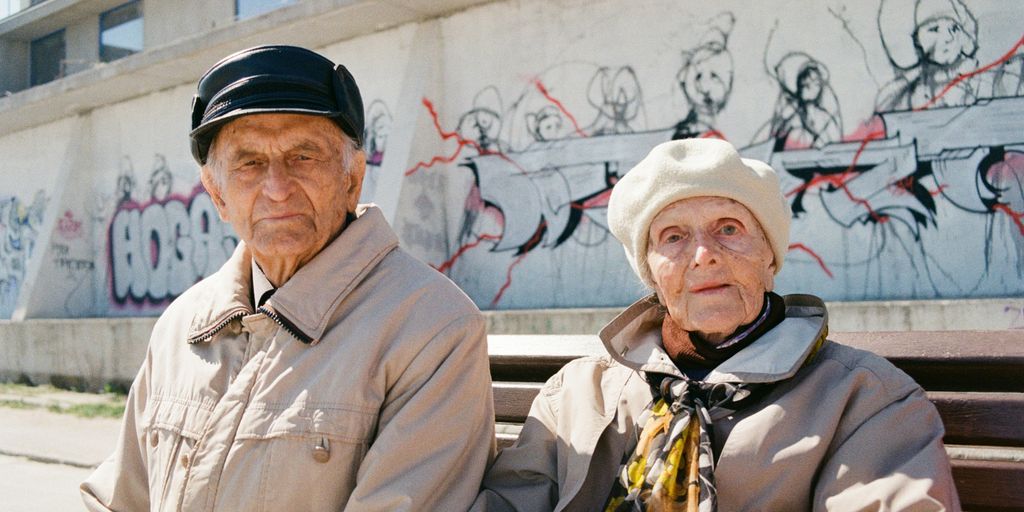
The aging of the Baby Boomer generation is creating a significant shift in demographics, often referred to as the "silver tsunami." This wave of older adults is reshaping various aspects of society, including housing, healthcare, and the economy. It’s not just about more older people; it’s about a generation with different expectations and needs as they age. This shift presents both challenges and opportunities for communities and businesses alike.
Baby Boomers Redefine Retirement
Baby Boomers are approaching retirement differently than previous generations. They are more active, health-conscious, and interested in maintaining a vibrant lifestyle. Many are delaying retirement or seeking part-time work to stay engaged and financially secure. This shift is influencing the demand for senior housing options that cater to their active lifestyles, moving beyond traditional nursing homes to communities that offer amenities and social opportunities.
The Growing 65-Plus Population
The sheer number of individuals aged 65 and older is rapidly increasing. This growth is primarily driven by the Baby Boomer generation, born between 1946 and 1964. As this cohort ages, the demand for age-related services and housing is expected to surge. By 2030, all Baby Boomers will be at least 65 years old, leading to a significant increase in the proportion of older adults in the population. This demographic shift necessitates careful planning and resource allocation to meet the needs of this growing segment.
Increased Life Expectancy and Its Impact
Advances in healthcare and improved living conditions have led to increased life expectancy. People are living longer, which means they require more extended periods of care and support in their later years. This trend has significant implications for retirement planning, healthcare systems, and the demand for long-term care facilities. The need for innovative solutions and services to support older adults in maintaining their health and independence is becoming increasingly critical. The "silver tsunami" describes the rise in the older adult population, and it’s something we need to be ready for.
The increasing number of older adults requires a re-evaluation of existing infrastructure and services. Communities need to adapt to meet the changing needs of this demographic, including accessible housing, transportation, and healthcare. Ignoring this shift could lead to significant challenges in the future.
Evolving Needs of Baby Boomers Choosing Retirement Communities
Beyond Traditional Senior Living Facilities
Baby Boomers are reshaping the landscape of senior living. They aren’t necessarily looking for the traditional nursing home setting. Many are healthy and active, seeking environments that cater to their independent lifestyles. Traditional facilities, while important, might not align with the needs of this demographic. They want options that allow them to maintain their autonomy and pursue their interests.
Desire for Independence and Activity
Boomers prioritize staying active and engaged. They’re looking for communities that offer a range of activities and amenities. This includes fitness centers, walking trails, social clubs, and opportunities for lifelong learning. They want to continue pursuing hobbies, volunteering, and staying connected to the world around them. The focus is on maintaining a vibrant and fulfilling lifestyle during retirement. They want to remain independent as they age. Contact Us for more information – Baby Boomers 101 has more information on this topic.
Community Connection and Well-being
Community is a huge factor for Baby Boomers. They want to live in places where they can connect with like-minded individuals and build meaningful relationships. This sense of belonging is crucial for their overall well-being. Many want to stay in their current communities, close to friends, family, and familiar surroundings. Leaving their homes can be a difficult decision, especially if it means disrupting their social networks.
The importance of community cannot be overstated. Strong social connections are linked to better cardiovascular health, improved immune function, and enhanced cognitive abilities. Staying connected helps seniors maintain their independence and quality of life.
Here are some things that are important to Baby Boomers:
- Social activities
- Shared interests
- Opportunities for engagement
The Rise of the Active Adult Category
Defining Active Adult Rental Properties
Active adult rental properties are really taking off, and it’s easy to see why. These aren’t your grandma’s retirement homes. They’re age-qualified, market-rate, multifamily places that focus on lifestyle. You won’t find meals provided as a standard service, but you will find a community vibe that’s hard to beat. It’s a vital, emerging market that’s catching the eye of investors, and for good reason.
Lifestyle-Focused Living for Baby Boomers
Baby Boomers are redefining what it means to retire. They’re healthier, more active, and want to stay connected. Traditional senior living just doesn’t cut it for many of them. They want independence, social interaction, and amenities that cater to their active lifestyles. Think gyms, pools, walking trails, and social events – the kind of stuff you’d find in any modern apartment complex, but with a focus on the 55+ crowd. This shift towards active adult communities is a game-changer.
Untapped Market Niche for Investors
This is where things get interesting. The active adult segment represents a relatively untapped market niche for investors and developers. Baby Boomers have always driven demand for new residential products, and this is no different. They want thoughtfully designed properties that offer comfort, enrichment, and a community of like-minded peers. The key is to understand what this population values and what they’re willing to pay for. By using the right tools, like construction loan data, to identify ideal locations and design attributes, investors can capitalize on this growing trend.
The important design considerations for an aging population are simply universal design considerations. Designing for human beings is good for all human beings; whether you’re building a multifamily property for all ages, or one specifically for active adults, the design choices, services, and amenities included should make the building more appealing to everyone.
Challenges and Opportunities in Housing for Baby Boomers Choosing Retirement Communities
Reluctance to Leave Family Homes
Many baby boomers are deeply attached to their family homes. It’s where they’ve built memories, raised families, and established roots in their communities. Leaving these homes can be an emotional and practical challenge. The neighborhood is familiar, their friends are nearby, and their favorite spots are just around the corner. This reluctance to relocate significantly impacts the housing market, limiting the availability of homes for younger generations.
Impact on Housing Affordability
The trend of baby boomers staying in their large family homes contributes to the ongoing housing affordability crisis. With fewer large homes available, younger families struggle to find suitable properties. This imbalance creates competition and drives up prices, making it harder for millennials and Gen Z to enter the housing market. According to recent reports, a significant percentage of large homes are owned by empty-nest baby boomers, while families with children own a much smaller share. This disparity highlights the need for innovative housing solutions that address the needs of both generations. One solution is to consider coliving options that allow for shared living and social engagement.
Breaking the Mold of Traditional Senior Living
Traditional senior living facilities often don’t appeal to today’s baby boomers. They’re looking for something different – a lifestyle that emphasizes independence, activity, and community connection. Many view traditional facilities as restrictive or institutional, preferring options that allow them to maintain their autonomy and pursue their interests. This shift in preferences presents an opportunity to create new types of senior living communities that cater to the evolving needs of this demographic. It’s important to acknowledge that traditional senior homes may not be the right fit for health-focused baby boomers, who are expected to remain far more independent later in life. Baby Boomers need to carefully consider their retirement savings and financial plans before relocating.
The challenge lies in creating housing options that bridge the gap between aging in place and traditional senior living. These options should offer the benefits of community and support while respecting the desire for independence and control. This requires a shift in mindset and a willingness to embrace new models of senior living.
Capitalizing on the Baby Boomer Boom
The baby boomer generation has consistently shaped residential demand throughout their lives. Remember when they graduated college? Multifamily rentals took off! Then, as they started families, master-planned communities became all the rage. Now, as baby boomers enter retirement, many expect a surge in demand for traditional senior living. But just like before, they’re poised to redefine aging, creating new opportunities for residential real estate to meet their evolving needs.
Historical Influence on Residential Demand
Baby Boomers have always been a driving force in the housing market. Their sheer numbers and evolving lifestyles have dictated trends for decades. From the suburban boom to the rise of condos, their impact is undeniable. Understanding this history is key to predicting their future housing preferences. They are aging differently than previous generations, and their expectations for retirement living are changing the game. The silver tsunami is here, and it’s bringing new demands with it.
New Opportunities for Residential Real Estate
The shift in how Baby Boomers view aging presents a goldmine for residential real estate. It’s not just about building more senior living facilities; it’s about creating communities that cater to their active, independent lifestyles. Think about it: these are people who grew up with unprecedented access to resources and opportunities. They’re not ready to slow down, and their housing should reflect that. Developers who understand this retirement landscape will be the ones who succeed.
Meeting the New Outlook of Aging Baby Boomers
What do Baby Boomers really want in their retirement years? It’s more than just a place to live; it’s a lifestyle. They’re looking for communities that offer social connection, opportunities for personal growth, and access to amenities that support their active lifestyles. This means rethinking traditional senior living models and embracing innovative approaches that cater to their unique needs. Understanding how user data is collected is also important to ensure privacy and security in these communities.
Baby Boomers are not a monolithic group. Their preferences and needs vary widely based on factors like income, health, and lifestyle. Successful developers will need to conduct thorough market research to understand the specific needs of their target demographic and tailor their offerings accordingly.
Here are some key considerations for meeting the new outlook of aging Baby Boomers:
- Location, Location, Location: Proximity to family, friends, and desired amenities is crucial.
- Community and Social Connection: Opportunities for social interaction and engagement are essential.
- Health and Wellness: Access to healthcare services and wellness programs is a must.
- Flexibility and Adaptability: Housing options that can adapt to changing needs over time are highly desirable.
Data-Driven Development for Baby Boomers Choosing Retirement Communities
Identifying Demand Growth Regions
To really nail down where to build these new active adult communities, you can’t just guess. It’s all about the data. We need to look at where the demand is actually growing. Tools that forecast demographic shifts and economic trends are super helpful here. Think about it: where are people selling their family homes and looking to rent? That’s where we need to be. It’s not just about population numbers, but also about understanding their lifestyle preferences and financial situations.
Consumer Research and Design Attributes
What do baby boomers really want in a rental? Forget the old stereotypes of senior living. These folks are active, engaged, and have specific tastes. Is a basic fitness center enough, or do they want yoga and spin studios? How important is natural light? Do they prefer a small balcony or a rooftop terrace? It’s all about digging into what they value and what they’re willing to pay for. This is where consumer research comes in. We need to understand their priorities to design spaces that truly appeal to them. retirement community is a big decision, so we need to make it easy.
Understanding Economic Value and Mobility Factors
It’s not enough to know what they want; we need to know why and how much they’re willing to spend. What economic factors are driving their decisions? Are they downsizing to free up cash? Are they moving closer to family? Understanding their financial motivations and mobility patterns is key to pricing and location strategies. We need to identify areas where boomers have the financial means and the desire to relocate. The active adult living market niche is growing, and we need to understand the economic drivers behind it.
Understanding what this population places economic value on – and what they’re willing to move for – is the key to breaking the mold of traditional senior living and creating something far more modern and enticing.
Future Trends in Senior Living for Baby Boomers
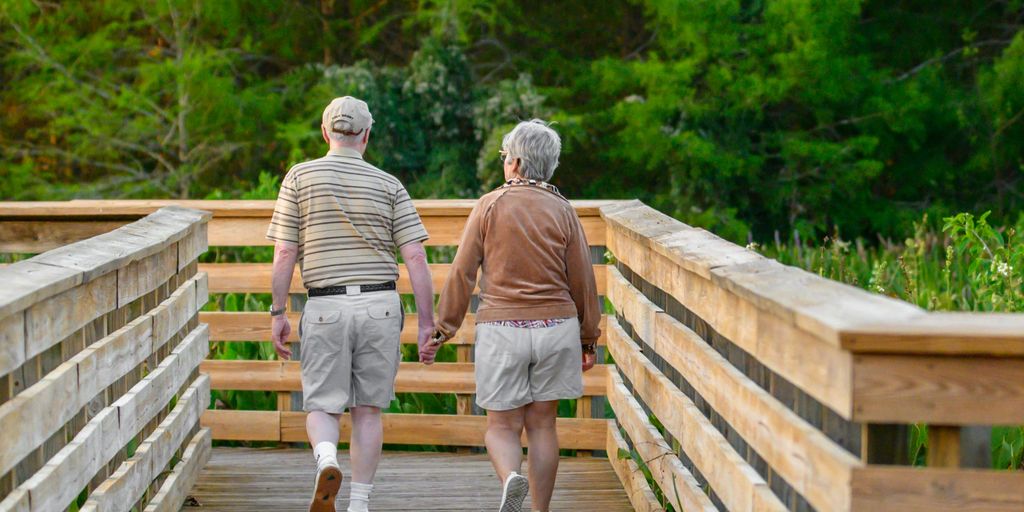
Increased Investment in Infrastructure
The aging of the baby boomer generation, coupled with rising life expectancy, is driving a need for increased investment in infrastructure to support senior living. This includes not only physical structures but also technological advancements and healthcare services tailored to the needs of an aging population. The sheer volume of boomers entering their senior years necessitates a proactive approach to ensure adequate resources are available. This investment spans various sectors, from housing and transportation to healthcare and recreational facilities. It’s about creating environments where seniors can thrive, not just survive.
Modern Aging Communities
Modern aging communities are moving away from the institutional feel of traditional nursing homes. Instead, they’re embracing designs that promote independence, social interaction, and overall well-being. These communities often feature amenities such as fitness centers, walking trails, community gardens, and lifelong learning programs. They’re also incorporating technology to enhance safety, convenience, and connectivity. The goal is to create vibrant, engaging environments where seniors can continue to live fulfilling lives. Consider these elements:
- Universal design principles for accessibility.
- Smart home technology for safety and convenience.
- Integration with the surrounding community.
- Focus on wellness and preventative care.
The shift towards modern aging communities reflects a growing recognition that senior living should be about more than just healthcare. It’s about creating environments where seniors can maintain their independence, pursue their passions, and stay connected to their communities.
Resilience of the Senior Living Sector
Despite economic fluctuations, the senior living sector has demonstrated remarkable resilience. The demand for senior housing and care services is expected to remain strong for the foreseeable future, driven by the aging population and increasing life expectancy. This resilience makes the sector an attractive investment opportunity, particularly for developers and investors who are willing to adapt to the evolving needs of baby boomers. The baby boomers redefine retirement, and their needs are different than previous generations. The sector’s resilience is also due to its ability to adapt to changing consumer preferences and technological advancements. The future of senior care is bright, and the sector is well-positioned to continue thriving in the years to come.
Wrapping Things Up
So, what’s the big takeaway here? Well, the baby boomer generation is definitely changing the game when it comes to retirement. They’re not just looking for a place to slow down; they want to keep living life to the fullest, stay active, and be part of a community. This means the old ideas about retirement homes just don’t cut it anymore for a lot of them. Developers and investors who get this, and who can create places that really fit what these ‘active adults’ are looking for, are going to be ahead of the curve. It’s all about understanding what makes this group tick and building spaces that let them keep doing all the things they love, right in the neighborhoods they already know.
Frequently Asked Questions
What is the “silver tsunami”?
The “silver tsunami” is a term people use to describe the large number of Baby Boomers (people born between 1946 and 1964) getting older. By 2030, all Baby Boomers will be 65 or older. This means there will be a lot more older people needing housing and health care.
How are Baby Boomers changing retirement living?
Baby Boomers are changing what retirement means. They want to stay active and connected. They’re looking for places that offer comfort, fun activities, and a sense of community, not just basic care. They want to keep their freedom and be part of things.
What are active adult communities?
Active adult communities are places for people who are 55 or older. They focus on a fun lifestyle, not just care. These places often have lots of activities and ways to connect with others. They don’t usually provide meals or medical support.
Why don’t some Baby Boomers want to move to retirement communities?
Many Baby Boomers don’t want to leave their current homes because they’re used to their neighborhood, friends, and local shops. It’s hard for them to move to a new place, especially if it’s far from what they know. Also, traditional senior living places might not feel right for healthy, active seniors.
How have Baby Boomers affected housing over time?
Baby Boomers have always changed the housing market. When they were young, they needed apartments. When they had families, they needed bigger houses. Now that they’re retiring, they’re looking for new kinds of living spaces, creating fresh chances for real estate companies to build places that fit their needs.
What kind of information helps build good retirement communities?
To build the right places for Baby Boomers, we need to look at data to see where older people want to live. We also need to ask them what they want in a home, like how much natural light, outdoor space, or fitness options are important. This helps create communities they’ll truly enjoy.