
Figuring out how much risk you’re comfortable with when investing is a big deal. It’s not just about numbers; it’s about how you react when things get bumpy. Understanding your investment risk tolerance helps you build a plan you can actually stick with, even when the market is doing its own thing. Let’s break down what goes into this and how to get it right.
Key Takeaways
- Your investment risk tolerance is about how much uncertainty you can handle, not just about potential gains.
- Things like your financial responsibilities and how much time you have until you need the money heavily influence your comfort with risk.
- A longer time horizon generally means you can take on more investment risk because you have more time to recover from losses.
- Using questionnaires can help you understand your personal investment risk tolerance and align your portfolio choices.
- Staying aware of your emotions and diversifying your investments are important for managing risk, especially during market ups and downs.
Understanding Your Investment Risk Tolerance
When we talk about investing, the word "risk" can bring up a lot of different feelings. For some, it’s about the potential for big rewards, maybe even a little excitement. For others, it’s a source of worry, a fear of losing what they have. Honestly, it’s a bit of both, and figuring out where you land is a pretty big deal when you’re planning your financial future. It’s not just about how much money you have, but how you feel about potentially losing some of it.
What Does Risk Tolerance Mean?
Simply put, risk tolerance is how much uncertainty you’re comfortable with when you invest. It’s about your willingness to accept the possibility of losing money in exchange for the chance of making more. Think about it: would you rather have a safe, small gain, or are you okay with the possibility of a bigger gain, even if it means a chance of a loss? This isn’t a one-size-fits-all thing. Your comfort level can change based on your experiences and how you react when the market gets bumpy. It’s important to be honest with yourself here, because picking investments that match your true tolerance means you’re more likely to stick with your plan, even when things get a little scary.
Behavioral Tendencies and Risk
How you act when faced with a potential loss is a huge clue to your risk tolerance. Are you the type to panic sell when stocks drop, or can you ride out the storm? Behavioral scientists talk about something called "loss aversion," which basically means the pain of losing something feels way stronger than the pleasure of gaining something equivalent. This can really mess with your investment decisions. You might not even know your true risk tolerance until you’re actually facing a potential loss. So, think back: what did you do the last time the market took a nosedive? Did you sell everything, or did you see it as a chance to buy more at a lower price? Your past actions can tell you a lot about your future behavior.
Risk Tolerance vs. Risk Capacity
It’s easy to mix these two up, but they’re different. Your risk tolerance is about your emotional comfort with risk. Your risk capacity, on the other hand, is about how much risk you can afford to take, financially speaking. This depends a lot on your current financial situation, your income, your debts, and your responsibilities. For example, if you have a mortgage, kids to put through college, or elderly parents who rely on you, your capacity to handle a big investment loss might be lower than someone who is single with no dependents. Your capacity can change over time, especially as your financial goals and timelines shift. It’s like having a certain amount of space in your car – tolerance is how much you want to carry, capacity is how much you can physically fit.
Understanding both your emotional willingness to take on risk and your financial ability to withstand losses is key. They work together to shape a realistic investment strategy that you can actually stick with through thick and thin. Ignoring one for the other can lead to making decisions you’ll regret later.
Here’s a quick way to think about it:
- Risk Tolerance: Your feeling about potential losses. Are you okay with ups and downs?
- Risk Capacity: Your financial ability to handle losses. Can your finances survive a significant downturn?
Knowing both helps you build a portfolio that’s not just about chasing returns, but about building wealth sustainably. It’s about making sure your investments align with your life, not the other way around. For instance, if you’re planning for retirement, understanding your risk profile is a major step in creating a solid retirement planning checklist.
Factors Influencing Your Risk Appetite
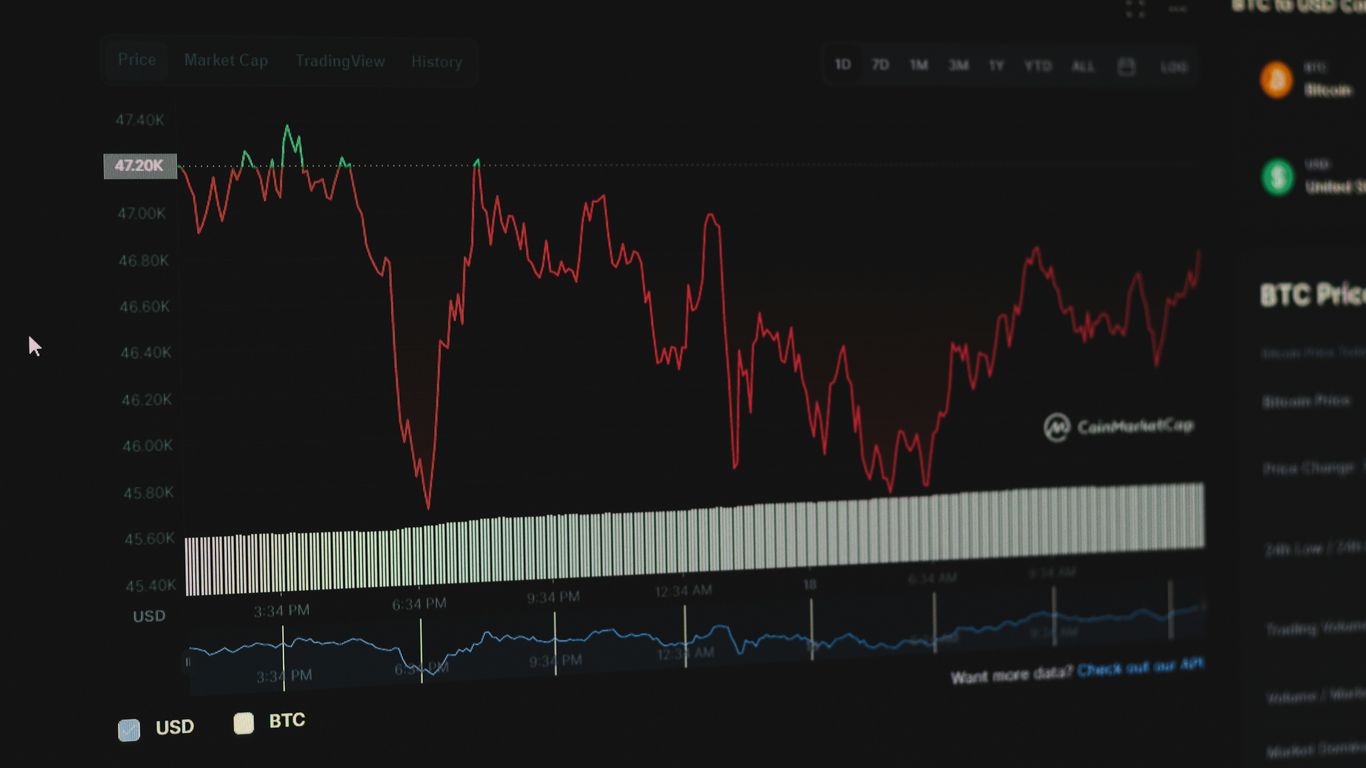
So, you’re thinking about investing, which is great! But before you jump in, it’s super important to figure out how much risk you’re actually comfortable with. It’s not just about how much money you could lose, but also about how you’d feel if you did. This isn’t a one-size-fits-all thing; a bunch of stuff plays into it.
Financial Obligations and Dependencies
Think about your current life situation. Do you have a mortgage payment looming every month? Maybe a business that relies on your capital? Or perhaps you’re supporting kids through college or even aging parents? These kinds of responsibilities mean you probably can’t afford to take on a ton of investment risk. If the market takes a nosedive, you need to know you can still cover your essential bills. It’s like trying to balance on a tightrope – the more you have to hold onto, the less you can afford to wobble.
Impact of Financial Shocks
Life happens, right? Sometimes it’s good, like a surprise inheritance, and sometimes it’s not, like losing your job or facing unexpected medical bills. These kinds of financial shocks can really change how much risk you’re able to handle. If you suddenly have less income coming in, you might need to dial back the risk in your investments. On the flip side, a windfall might give you more breathing room to take on a bit more risk, but you still need to be smart about it. It’s about adapting your investment strategy to whatever life throws your way.
Personal Financial Goals
What are you actually saving for? This is a big one. Are you planning for retirement way down the line, or saving for a down payment on a house in a few years? Your goals dictate your time horizon, which is basically when you expect to need that money. Saving for retirement usually means you have a longer runway, so you can afford to take on more risk because you have more time to recover from any market downturns. Saving for a house in five years? That’s a shorter timeline, so you’ll likely want to be more conservative. It’s all about matching your investments to what you’re trying to achieve and when you need the funds. You can even break down your savings into different buckets for different goals, each with its own risk level, which can help you stay on track for your retirement savings goals.
Being honest about your financial obligations, how you’d handle unexpected events, and what you’re saving for helps create an investment plan you can actually stick with, even when the markets get a little wild. It’s about building a portfolio that fits you, not just what everyone else is doing.
The Role of Time Horizon in Risk
When you’re thinking about investing, one of the biggest things that affects how much risk you can handle is simply when you need your money back. This is what we call your time horizon. It’s basically the length of time between when you invest and when you plan to start taking money out.
Defining Your Investment Time Horizon
Your time horizon isn’t just a random guess; it’s tied directly to what you’re saving for. Are you putting money away for a down payment on a house in three years? Or are you saving for retirement, which might be 30 years away? These are very different scenarios. A shorter time horizon means you have less time to recover if the market takes a dip. A longer one gives you more breathing room.
- Short-term goals (1-5 years): Think saving for a car, a vacation, or maybe a down payment. You’ll want to be more careful with your money here.
- Medium-term goals (5-10 years): This could be saving for a child’s college education or a major home renovation.
- Long-term goals (10+ years): Retirement is the classic example, but it could also be saving for a business you want to start much later in life.
Longer Time Horizons and Risk Assumption
Generally speaking, the longer your time horizon, the more risk you can afford to take on. Why? Because you have more time for your investments to bounce back from any downturns. If the stock market drops significantly, but you don’t need that money for another 20 years, you can probably wait it out. The market has historically recovered and grown over long periods. This is why many people invest more aggressively for retirement than they do for short-term savings. It’s about giving your money the chance to grow without the immediate pressure of needing it back quickly. You can explore different investment strategies, like the Three-Bucket Strategy, to manage funds for various timeframes.
Adjusting Risk as Goals Approach
As you get closer to needing your money, it’s usually a good idea to dial back the risk. Imagine you’re saving for retirement and you’re 65. You probably don’t want to be invested in super-risky stocks anymore. You’ve worked hard to build up your savings, and the last thing you want is a major market crash right when you’re about to start withdrawing funds. At this stage, preserving your capital becomes more important than chasing high returns. You might shift your investments towards more stable options like bonds or even cash. It’s a gradual process of reducing exposure to potential losses as your goal date nears.
Making smart adjustments to your investment mix as your goals get closer is just as important as picking the right investments in the first place. It’s about protecting what you’ve earned.
So, when you’re figuring out your investment plan, always keep your timeline in mind. It’s a huge piece of the puzzle when deciding how much risk is right for you.
Translating Risk Tolerance into Strategy
If you’ve ever wondered how to actually use what you know about your comfort with financial risk, you’re not alone. Turning your feelings about risk into an investment plan often feels awkward at first. Below, I’ll break down the steps that move you from knowing your risk level to making practical investment choices.
Using Investor Profile Questionnaires
The first step to building your plan is being honest about your risk tolerance. Investor profile questionnaires are popular because they ask about your reactions to market changes, loss, and potential gains. They usually cover things like:
- How you handle sudden losses in your investment account
- Whether you worry when the market goes down
- If you’re tempted by chances for quick gains despite knowing there’s a risk of loss
Completing these questionnaires honestly helps set the foundation for making portfolio decisions that match you—not just textbook assumptions.
Knowing your true comfort zone with risk early on helps keep panic at bay during those unpredictable market swings.
Aligning Portfolio Allocation with Tolerance
Once you know where you fall on the risk spectrum (conservative, moderate, aggressive), it’s time to build your investment mix. Here’s a quick example, showing how three risk levels could match up with classic allocation models:
| Risk Level | Stocks (%) | Bonds (%) | Cash (%) |
|---|---|---|---|
| Conservative | 30 | 60 | 10 |
| Moderate | 60 | 35 | 5 |
| Aggressive | 80 | 15 | 5 |
Your actual choices might look different, but this table gives the general idea. A higher portion of stocks usually means taking on more risk (and more chances for growth), while bonds and cash add a bit of steadiness.
If you’re closer to retirement, realigning your investment allocation can help balance growth with stability. Some people consider target-date funds for automated rebalancing as they get older.
Understanding Expected Investment Performance
Now, look at how your mix is likely to behave. Here are the big points to consider with any allocation:
- Variation: The more you lean into stocks, the more your investments may jump up and down in value.
- Long-term view: Riskier portfolios often hit more rough patches in the short term, but may reward you over time.
- Matching strategy to real life: If losing a bit of money would force you to sell investments or lose sleep, you may need a safer mix.
Remember, even more cautious portfolios can lose money sometimes, especially if market conditions get rocky. No strategy is risk-free, so make sure you’re prepared for some swings.
If you’re feeling uncertain, reviewing past performance data of your chosen allocation might help—just don’t expect history to repeat itself exactly. What matters is staying grounded and avoiding knee-jerk reactions during downturns.
Mapping your risk level to your investment mix takes a bit of patience and honesty. But over time, sticking to this strategy can help you stay the course even when the market tests your nerves.
Managing Emotions and Market Volatility
When you hear the word "risk" in relation to your money, what’s your first thought? Does it spark ideas of big wins, or does it bring on a wave of worry about losing what you’ve worked so hard for? It’s totally normal for these feelings to pop up. Investing often feels like a bit of a tightrope walk – you’re balancing the potential for growth with the possibility of setbacks. Understanding how you react emotionally to market ups and downs is just as important as understanding the investments themselves.
The Impact of Loss Aversion
Ever notice how a small loss can feel way worse than a similar-sized gain feels good? That’s a common psychological quirk called loss aversion. It means the pain of losing something can be a stronger motivator than the pleasure of gaining something equivalent. In investing, this can lead us to make decisions based on fear rather than logic. We might panic and sell when the market dips, locking in a loss, or avoid potentially good investments because we’re too scared of a downturn. It’s like being so worried about dropping your ice cream cone that you forget to enjoy eating it.
Preparing for Market Swings
Markets don’t move in a straight line, and that’s okay. They go up, they go down, and sometimes they do both in the same day. Instead of being surprised or upset by this, think of it as part of the process. Having a solid plan in place before the volatility hits can make a huge difference. This means knowing what your investments are supposed to be doing and why you chose them in the first place. It’s about having a clear picture of your long-term goals and remembering that short-term market noise usually doesn’t change the big picture.
- Know your plan: Remind yourself of your investment strategy and why you picked your current holdings.
- Stay informed, not overwhelmed: Keep up with market news, but avoid getting caught in the daily drama.
- Focus on what you can control: You can’t control the market, but you can control your reactions and your savings rate.
It’s easy to get caught up in the day-to-day fluctuations of the stock market. However, remember that investing is typically a long-term game. Trying to time the market or react to every headline can often lead to more harm than good. A disciplined approach, focused on your personal financial goals, is usually the most effective path forward.
The Importance of Diversification
Think of diversification like not putting all your eggs in one basket. Spreading your investments across different types of assets – like stocks, bonds, and maybe even real estate – can help cushion the blow if one particular area takes a hit. If stocks are down, maybe bonds are doing okay, or vice versa. This mix helps smooth out the ride. It’s a way to manage risk without necessarily sacrificing potential returns. Building a well-diversified portfolio is a key step in managing investment risk.
| Investment Type | Potential Risk | Potential Return |
|---|---|---|
| Stocks | High | High |
| Bonds | Medium | Medium |
| Cash/Equivalents | Low | Low |
Reviewing and Adjusting Your Risk Profile
So, you’ve figured out your risk tolerance, picked some investments, and you’re feeling pretty good about it. That’s awesome! But here’s the thing: your financial life isn’t static, and neither is the market. What felt right a year ago might not feel right today, and that’s totally normal. It’s like checking the weather before a trip – you wouldn’t just assume it’s sunny based on last year’s forecast, right? The same goes for your investments.
Regularly Assessing Your Risk Tolerance
Think of your risk tolerance as a living, breathing thing. Life happens. Maybe you got a promotion, or perhaps you took on a new financial responsibility like helping out a family member. These big shifts can absolutely change how much risk you’re comfortable taking. It’s not about being wishy-washy; it’s about being realistic and honest with yourself. Your investment strategy should always match where you are now, not where you were five years ago.
Here are a few things that might make you want to revisit your risk profile:
- Major Life Events: Getting married, having kids, buying a house, or even a significant change in income can alter your financial picture and, consequently, your comfort with risk.
- Shifting Financial Goals: Are you saving for retirement, a down payment, or something else entirely? As your goals evolve or get closer, your risk approach might need to change too.
- Market Experiences: A big market downturn might make you more cautious, while a period of strong gains could make you feel more adventurous. It’s important to acknowledge these feelings and see if they align with your long-term plan.
Updating Your Investment Profile
Once you’ve thought about how your circumstances might have changed, the next step is to actually update your investment profile. Many investment platforms make this pretty straightforward. You might go through a questionnaire again, similar to the one you did initially. Be honest with your answers – this isn’t a test you can cheat on! The goal is to make sure your portfolio’s asset allocation still makes sense for you.
Sometimes, we get so focused on the day-to-day of investing that we forget to step back and see the bigger picture. Regularly checking in with your risk tolerance is like doing a health check-up for your portfolio. It helps prevent small issues from becoming big problems down the road.
For instance, if you’ve realized you’re now more risk-averse than you initially thought, you might shift from a portfolio heavy on stocks to one with a larger allocation to bonds or other more stable investments. Conversely, if you’ve become more comfortable with risk, you might consider increasing your exposure to growth-oriented assets. It’s all about finding that sweet spot where you can sleep at night but still have a good shot at reaching your financial objectives.
Seeking Professional Guidance
Look, you don’t have to do this alone. If you’re feeling unsure about how your risk tolerance has changed or how to adjust your portfolio accordingly, talking to a financial advisor can be incredibly helpful. They’ve seen it all and can offer objective advice based on your specific situation. They can help you understand the potential outcomes of different investment strategies and ensure your portfolio remains aligned with your long-term goals. A good advisor can be a sounding board and a guide, helping you make informed decisions without getting swayed by short-term market noise. They can help you stay on track with your retirement goals by providing regular reviews, rebalancing, and other adjustments to keep your portfolio aligned with your objectives [07d3].
Remember, your investment journey is a marathon, not a sprint. Regular check-ins and adjustments are key to staying on course.
So, What’s Your Comfort Zone With Risk?
Figuring out how much risk you’re okay with when investing isn’t a one-time thing. It’s more like getting to know yourself better. Think about how you’ve reacted to money ups and downs before. Your life situation, like having kids or a mortgage, also plays a big part. Knowing your limits helps you build a plan you can actually stick with, even when the market gets a bit wild. It’s all about finding that sweet spot where you can aim for growth without losing sleep at night. Don’t be afraid to revisit this as your life changes, because your comfort level with risk probably will too.
Frequently Asked Questions
What exactly is risk tolerance when it comes to investing?
Risk tolerance is basically how much risk you’re okay with when you invest your money. Think about it: does the idea of making a lot of money by taking a chance excite you, or does the thought of losing money make you really nervous? It’s about understanding your feelings towards the ups and downs of the market.
How can my personality affect how much risk I take with my money?
Your personality plays a big role! Some people are naturally more cautious, while others are happy to jump into riskier ventures for potentially bigger rewards. How you react to losing money, for instance, can tell you a lot about your comfort level with investment risks.
Is there a difference between how much risk I *can* take and how much I’m *willing* to take?
Yes, there is! Your risk *capacity* is about how much risk your financial situation can handle – like if you have savings to fall back on. Your risk *tolerance*, on the other hand, is about how comfortable you are with the idea of losing money. They aren’t always the same thing.
How do my future plans influence the level of risk I should consider?
Your future plans, especially when you need the money, are super important. If you’re saving for something far away, like retirement, you can usually afford to take on more risk because you have time to recover from any losses. But if you need the money soon, you’ll want to be more careful.
Why is it important to know my expected investment performance?
Knowing what kind of results you can realistically expect helps you stay calm when the market gets bumpy. If you understand that investments can go up and down, you’re less likely to make rash decisions based on fear or excitement during tough times.
Should I check my investment risk level regularly?
Absolutely! Your life and financial situation can change, which might also change how much risk you’re comfortable with. It’s a good idea to review your investment strategy from time to time to make sure it still fits your needs and feelings about risk.