
The baby boomer generation is changing how we think about retirement. Many are staying active, independent, and looking for housing options that fit their lifestyle. Gone are the days when everyone just moved into a traditional retirement home. Now, there are tons of senior housing options out there, from places focused on fun activities to services that let you stay in your own home. Let’s explore what’s available for boomers who want to keep living life on their own terms.
Key Takeaways
- Active adult communities offer a lifestyle focus with upscale rentals and social opportunities, appealing to boomers who want to downsize without sacrificing independence.
- Aging-at-home services provide support for seniors who prefer to stay in their own residences, offering a way to get help and peace of mind without moving.
- Innovative options like continuing care retirement communities (CCRCs), cohousing, and house sharing provide diverse ways to live and connect with others.
- Niche retirement communities are emerging to cater to specific interests and hobbies, reflecting the personalized needs of baby boomers.
- The demand for senior housing options is growing due to increased lifespans and boomers’ strong desire for independence and engaging lifestyles.
Exploring Senior Housing Options For Independent Boomers
So, you’re a Baby Boomer, and you’re not ready to slow down. You’ve worked hard, you’ve got energy, and you want your retirement to reflect that. The idea of just sitting around? Not for you. Luckily, the world of senior housing has really caught up with what people like us actually want. It’s not just about finding a place to live anymore; it’s about finding a place that fits your lifestyle.
Active Adult Communities: A Lifestyle Focus
These places are popping up everywhere, and for good reason. They’re designed for folks who are still active, still working, or just want to be around people who are on the same page. Think of them as vibrant neighborhoods where everyone’s over 55. You get a maintenance-free living situation, which means no more worrying about leaky roofs or mowing the lawn. Plus, there are usually tons of amenities – pools, fitness centers, social clubs, you name it. It’s all about keeping you engaged and connected. Many of these communities are integrated into larger developments, offering a mix of residential living with shops and restaurants nearby, like the new Bailey at Bridge Park in Dublin, Ohio. It’s a way to have your own space but still be part of a lively scene.
Luxury Rentals Designed for Modern Living
Forget the old stereotypes of senior apartments. Today’s luxury rentals are seriously nice. Boomers often want open floor plans, modern kitchens, and plenty of storage – basically, a place that feels like home, but without the upkeep. You’ll find features like in-unit washers and dryers, spacious closets, and even private patios. The focus is on comfort and convenience, allowing you to enjoy your retirement without being bogged down by homeownership responsibilities. It’s a smart way to live well and keep your finances flexible, perhaps even exploring options like a reverse mortgage if you own your home outright.
Integrated Neighborhoods for Vibrant Lifestyles
This is a newer trend, and it’s pretty cool. Instead of being isolated, some senior housing options are built right into regular neighborhoods. This means you’re living alongside people of all ages, with easy access to local shops, restaurants, and community events. It keeps you connected to the wider world and offers a more dynamic living experience. You get the benefits of a senior-focused community – like shared activities and a sense of belonging – but you’re also part of the broader community fabric. It’s about living independently but not in isolation.
Embracing Independence With Aging-At-Home Services
Supportive Services for Continued Independence
Lots of baby boomers want to stay put in their own homes, and honestly, who can blame them? It’s familiar, it’s comfortable, and it’s yours. Surveys show that a huge number of older adults prefer to age in place for as long as possible. That’s where aging-at-home services come in. These services are designed to give you the support you need to keep living independently, but with a safety net. Think of it as getting the benefits of senior living without actually moving into a community. It’s about maintaining your autonomy while having help available if and when you need it.
Affordable Alternatives to Long-Term Care Insurance
Long-term care insurance can be pricey, and sometimes, it doesn’t quite cover what you expect. There are programs out there that offer a different approach. Some memberships are specifically designed for healthy, active adults 62 and older. They aim to protect your health and your finances for the future. If you ever need more help, like assisted living or even nursing care, these programs can arrange for it to be provided right in your own home. Plus, professional care coordinators handle all the details, which is a huge relief for both you and your family. It’s a way to plan ahead and get peace of mind.
Peace of Mind While Remaining at Home
Deciding to stay in your home doesn’t mean you have to go it alone. There are various models, like the "village" concept, where neighbors team up to create a support network. Members pay annual dues for help with things like transportation, in-home care, and yard work. These villages often have paid staff to connect members with services, but they also serve as a social hub. It’s a way to build community and get assistance, all while staying in your familiar surroundings. This approach is growing, with many groups and even philanthropic organizations supporting it. It’s about creating a supportive environment that allows you to live independently for longer. You can find out more about these community-based support networks that help seniors stay connected and cared for.
The desire to remain in one’s own home is strong, and thankfully, services are evolving to meet this need. These options focus on providing practical support and social connection, allowing individuals to maintain their independence and quality of life without the necessity of moving to a traditional senior living facility.
Innovative Senior Housing Options
When thinking about senior living, the traditional image might be a large, institutional-style facility. But things are changing, and there are some really interesting new ways for older adults to live that are quite different from the old models. These options focus on community, flexibility, and keeping people engaged.
Continuing Care Retirement Communities
These are like a one-stop shop for senior living. They offer a range of care levels all on one campus. You might start in an independent living apartment, and if your needs change, you can move to assisted living, memory care, or even skilled nursing without having to move away from your friends or familiar surroundings. Many of these communities have what’s called a LifeCare contract. This means you pay a fee upfront and then a monthly charge, and it guarantees you access to higher levels of care later on, often at a predictable cost. It’s a way to plan for the future and have peace of mind. Some of these communities are quite traditional, with standalone campuses, but they bundle a lot of services like meals, housekeeping, and activities right there. It’s a way to have a maintenance-free lifestyle with built-in support.
Cohousing: Community-Focused Living
Cohousing is a bit different. It’s about creating a neighborhood where people intentionally live together and share common spaces and activities. Think of it as a modern take on a close-knit community. Residents usually own their own homes, which are often attached or semi-detached, but they share things like gardens, recreation areas, and sometimes even a common house for meals or gatherings. It’s great for people who really enjoy being social and want to actively participate in their community. Neighbors often share the costs of maintaining these common areas. It’s not really for folks who need constant personal care, but it’s fantastic for active seniors who want to live close to others and have a built-in social network. It’s a way to build connections and share responsibilities.
House Sharing for Companionship and Cost Savings
Remember the show The Golden Girls? House sharing is kind of like that. It’s an arrangement where two or more people live together in a single home. This can be a great way to cut down on expenses, like rent or mortgage payments, utilities, and upkeep. Plus, you get built-in companionship, which is a big deal for many older adults, especially those who might be single. You could buy a home together with friends, or one person might own the home and rent rooms to others. Sometimes, a younger person might rent a room in exchange for some help with chores or transportation. It’s a practical solution that offers both financial benefits and social connection, allowing people to stay in a home they love without the full burden of living alone. It’s a really flexible option that can be tailored to individual needs and budgets. You can explore options for downsizing your home if this sounds appealing.
These innovative models are popping up because people are living longer and want more control over their retirement years. They’re looking for ways to stay independent, connected, and engaged, rather than just moving into a place that feels like a last resort. It’s about designing a lifestyle that fits how people want to live now.
The Rise of Niche Retirement Communities
Specialty Communities Catering to Unique Interests
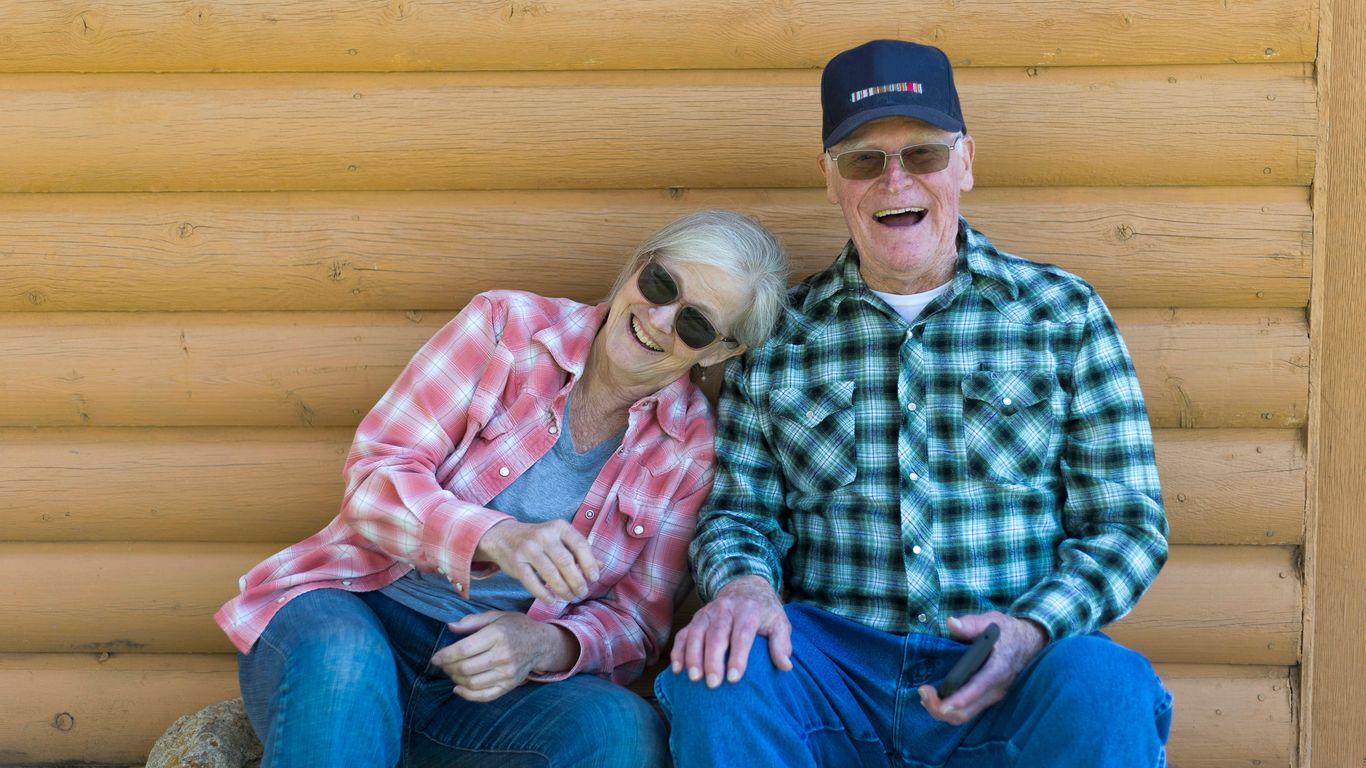
Forget the one-size-fits-all retirement communities of the past. Today’s landscape is bursting with options tailored to specific passions and hobbies. Whether you’re a lifelong learner, an art aficionado, a dedicated gardener, or even a former postal worker, there’s likely a community designed with you in mind. These places aren’t just about housing; they’re about creating an environment where you can continue pursuing what you love alongside like-minded individuals. Think communities built around equestrian centers, aviation clubs, or even specific cultural backgrounds. It’s about finding a place that truly fits your lifestyle and interests, not just a place to live out your retirement years.
Meeting Personalized Needs of Baby Boomers
Baby Boomers are a massive generation, and as they reach retirement age, their expectations are different. They’re living longer, healthier lives and want to stay active and engaged. This means traditional retirement homes with a heavy focus on healthcare might not be the first choice for many. Instead, there’s a growing demand for communities that prioritize lifestyle, social connection, and opportunities for personal growth. These niche communities are popping up to meet that demand, offering a more personalized approach to retirement living. It’s about choice and customization, allowing individuals to find a place that aligns with their vision for an active and fulfilling retirement.
Exploring Options Beyond Traditional Senior Living
When you think about retirement living, what comes to mind? Maybe a quiet apartment complex or a community center with bingo nights. But the options have expanded dramatically. Beyond the typical retirement villages, you can find places that cater to very specific interests. For example, there are communities for RV enthusiasts, those who love boating and might even live on houseboats, or even places designed for people who want to maintain a specific cultural heritage. It’s about finding a community that supports your unique way of life. This trend is expected to continue as more people seek retirement solutions that go beyond the standard offerings and truly reflect their individual preferences and life experiences. You can even find communities focused on specific philosophies, like a Zen lifestyle, or those that encourage lifelong learning. The goal is to find a place where you can thrive, not just reside. For those looking for a retirement plan that aligns with their hobbies, exploring these specialized communities is a great starting point. specialty retirement communities
Understanding Key Senior Housing Trends
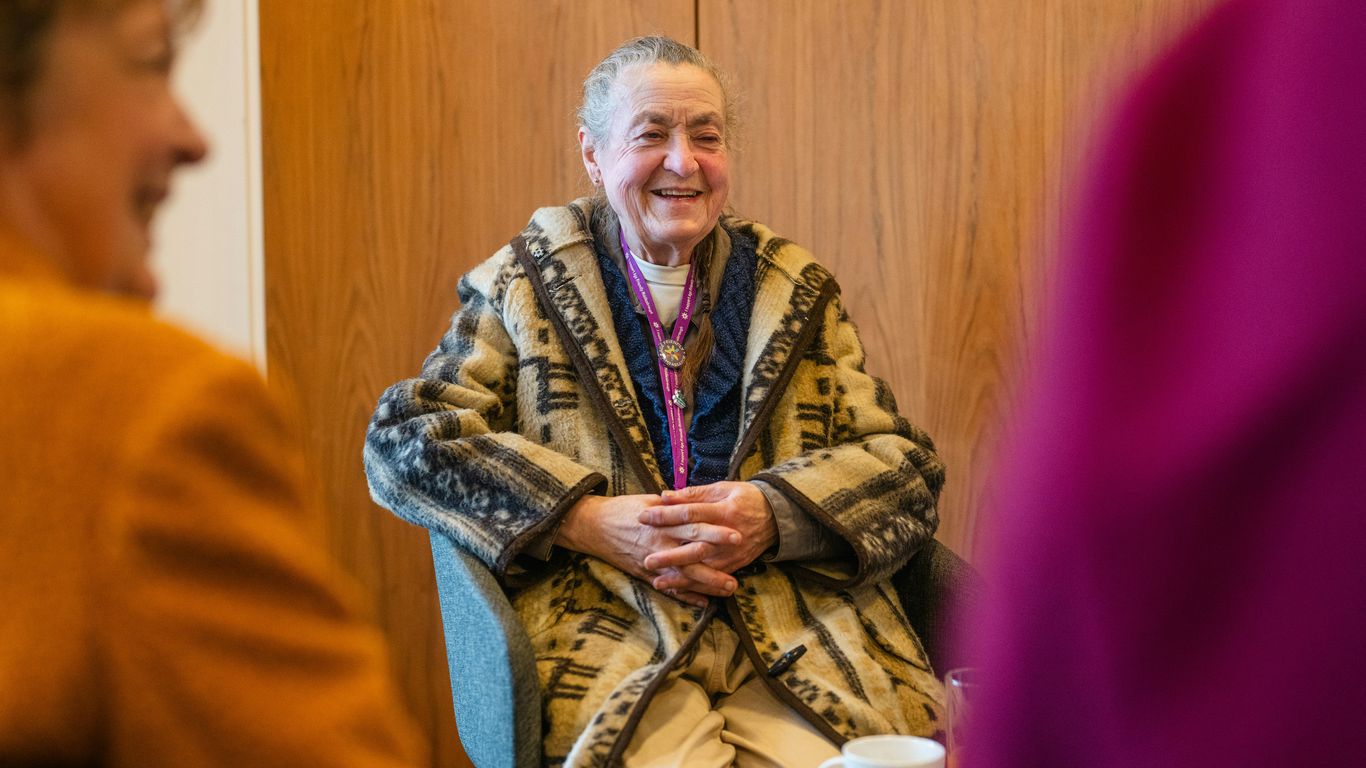
It feels like everywhere you look, there’s talk about how the housing market is changing, and for seniors, it’s a pretty big deal right now. The number of older adults is growing, and they’re living longer than ever before. This means more people are thinking about where they’ll live as they get older, and they want options that fit their lives.
The Impact of Increased Lifespans
People are living well into their 80s and even 90s these days, which is fantastic! But it also means we need to plan for longer retirements. This isn’t just about having enough money; it’s about having a place to live that supports a good quality of life for decades. Many existing homes just aren’t set up for aging in place, lacking basic accessibility features. Plus, the number of traditional nursing homes is actually going down, which is a bit of a head-scratcher when you consider the growing need.
Baby Boomers’ Desire for Independence
This generation, the Baby Boomers, is really driving a lot of these changes. They’re not looking to be put out to pasture. They want to stay active, engaged, and in control of their lives for as long as possible. This is why we’re seeing a big jump in demand for places like active adult communities and independent living apartments. These spots offer a lifestyle, not just a roof over your head. They focus on wellness, social activities, and keeping people connected. It’s all about maintaining that independence.
The Growing Demand for Senior Housing Options
So, what’s happening on the supply side? Well, it’s a bit of a mixed bag. While demand is soaring, especially for independent and active adult living, new construction hasn’t quite kept pace. Occupancy rates are high, meaning places are filling up fast. Some reports show occupancy rates for independent living communities climbing, with active adult communities even higher. It’s a tight market, and finding the right spot can take some effort. This high demand, coupled with the rising costs of building, means that affordability is becoming a bigger concern for many middle-income seniors who don’t qualify for government aid but also can’t easily afford private senior housing. It’s a complex situation that requires careful consideration, and understanding your financial picture is key, especially when it comes to avoiding lifestyle creep.
The senior housing market is experiencing a significant shift. Increased lifespans mean longer retirement periods, and Baby Boomers are actively seeking housing that supports their desire for independence and an engaging lifestyle. However, a gap is widening between this growing demand and the available supply, leading to high occupancy rates and increasing affordability challenges for some.
Here’s a quick look at how occupancy rates have been trending:
| Community Type | Q1 2025 Occupancy | Q2 2025 Occupancy | Change (pp) |
|---|---|---|---|
| Independent Living | 88.9% | 89.7% | +0.8 |
| Assisted Living | 85.7% | 86.4% | +0.7 |
| Active Adult (Rental) | 92.3% | 92.3% | 0.0 |
It’s clear that the landscape of senior living is evolving rapidly, and staying informed about these trends is a smart move for anyone planning their future. Attending retirement seminars can offer a clearer picture of what’s available and how to plan financially.
Finding Your Perfect Fit
So, it’s pretty clear that the days of one-size-fits-all retirement living are long gone, especially for us Boomers. Whether you’re eyeing a lively active adult community buzzing with activities, a cozy house-sharing setup with friends, or even the idea of staying put in your own home with some extra support, there are options out there. The key is really figuring out what makes you tick – what kind of lifestyle you want and what kind of help, if any, you might need down the road. Don’t be afraid to explore, visit places, and talk to people. Your retirement should be exactly what you want it to be, and with so many choices now, it’s totally possible to find a place that feels just right.
Frequently Asked Questions
What are active adult communities?
Active adult communities are places designed for older people who want to stay busy and have fun. They focus on lifestyle, offering nice places to live that are easy to take care of. Think of them as places where you can hang out with people who have similar interests and enjoy activities without worrying about yard work or house repairs.
What does ‘aging at home’ mean?
Aging at home means you want to keep living in your own house for as long as possible. There are services that can help you do this, like getting help with chores, having meals delivered, or having someone check in on you. It’s about getting the support you need to stay independent in a familiar place.
Are there any communities where I can live with friends?
Yes, there are options like cohousing and house sharing. Cohousing involves living in a neighborhood where people share common areas and sometimes costs for things like gardens or parties. House sharing is like the show ‘Golden Girls,’ where you live with friends or others to share costs and have company.
What are niche retirement communities?
Niche retirement communities are special places built around a specific interest or hobby. For example, there are communities for people who love flying, horses, or even a specific lifestyle like the one inspired by Jimmy Buffett. They’re for people who want to be around others who share their unique passions.
Why are so many people looking for new senior housing options?
People are living longer and healthier lives now. Baby boomers, who are a large group of older adults, want to stay independent and active. They also have different ideas about retirement than older generations, so they’re looking for places that offer more freedom, fun, and ways to connect with others.
What’s the difference between independent living and active adult communities?
Independent living communities often provide meals and other services, and you live in an apartment on their campus. Active adult communities are more about the lifestyle and social activities, and they are usually rental properties where you have your own space but can easily join in on fun events and meet neighbors.