
Retirement used to mean kicking back and relaxing, but for a lot of baby boomers, that picture is changing. More and more, we’re seeing older folks heading back to work, even if it’s just part-time. This whole “unretirement” thing is really shaking things up, not just for personal finances, but for the whole job market too. It turns out, baby boomers and part-time retirement work are becoming a big deal, and it’s for all sorts of reasons, from needing a bit more cash to just wanting to stay busy and connected.
Key Takeaways
- Many baby boomers are redefining retirement, opting for part-time work to stay active and financially secure.
- Beyond money, working in retirement offers baby boomers a sense of purpose and a way to keep social connections.
- Flexible work options, like part-time and remote roles, are popular for baby boomers looking to ease back into the workforce.
- Healthcare, education, and retail are common industries where baby boomers find part-time retirement work.
- The growing trend of baby boomers working longer is changing the American workforce, making us rethink traditional retirement ideas.
The Unretirement Surge: Baby Boomers Redefine Later Life
Shifting Perceptions of Retirement for Baby Boomers
Retirement isn’t what it used to be. Forget the image of endless golf games and quiet mornings. Baby Boomers are changing the game, and many are revisiting their retirement plans. It’s not just about finances; it’s a whole new way of looking at this stage of life. People are living longer, staying healthier, and have a lot more to offer than previous generations at the same age. The old idea of completely stopping work at 65 is fading fast. Now, it’s more about flexibility and finding ways to stay active and engaged, even if it means going back to work.
The Rise of the Unretirement Trend
So, what’s "unretirement" anyway? It’s pretty simple: it’s when people who have already retired decide to go back to work, either full-time or part-time. This trend is growing, and it’s having a big impact on the workforce. You see more and more Boomers returning to their old jobs, starting new careers, or even launching their own businesses. It’s not always about needing the money; sometimes, it’s about wanting to stay busy, use their skills, and feel like they’re still contributing. It’s a shift from the traditional view of retirement as a time of complete leisure to a more active and engaged phase of life.
Financial Realities Driving Baby Boomers Back to Work
Let’s be real, money plays a big role in the unretirement trend. Many Boomers find that their retirement savings aren’t enough to cover their expenses, especially with the rising cost of living. Healthcare costs, inflation, and unexpected expenses can all put a strain on retirement funds. Plus, people are living longer, which means they need more money to support themselves for a longer period. Some statistics show that a large percentage of Americans haven’t saved enough for retirement, and that’s a major reason why they’re going back to work.
Here’s a quick look at some of the financial factors:
- Inadequate retirement savings
- Rising healthcare costs
- Increased life expectancy
- Inflation eroding purchasing power
The current retirement system is obsolete and it’s time for a new retirement security framework.
For many, phased retirement is a good option. It allows them to continue earning income while still enjoying some free time. It’s a win-win situation for both the employee and the employer.
Beyond Finances: Why Baby Boomers Embrace Part-Time Retirement Work
It’s easy to assume that baby boomers returning to work are solely driven by financial need, but the reality is far more nuanced. While money certainly plays a role, many find themselves drawn back to the workforce for reasons that go beyond just supplementing their retirement income. It’s about staying active, engaged, and connected.
Seeking Purpose and Engagement in Retirement
Retirement, once envisioned as a time of leisure, can sometimes lead to a sense of purposelessness. Many baby boomers find that working part-time provides a renewed sense of direction and accomplishment. It’s about more than just a paycheck; it’s about feeling like they’re still contributing something meaningful. This can be especially true for those who defined themselves by their careers for many years. The structure and challenges of work can provide a sense of satisfaction that’s hard to replicate in a purely leisure-based retirement.
Maintaining Social Connections Through Work
Retirement can sometimes lead to isolation, as daily interactions with colleagues disappear. Part-time work offers a chance to maintain and even expand social networks. The workplace becomes a hub for connection, providing opportunities for conversation, collaboration, and friendship. These social interactions can be incredibly important for mental and emotional well-being, combating feelings of loneliness and keeping boomers engaged with the world around them.
The Appeal of Structure and Routine for Baby Boomers
For many, the sudden freedom of retirement can be overwhelming. The absence of a daily schedule can lead to a lack of motivation and a feeling of being lost. Part-time work provides a sense of structure and routine, offering a framework for the day and week. This can be particularly appealing to those who thrive on predictability and enjoy having a set of responsibilities. It’s about finding a balance between the freedom of retirement and the stability of a working life, creating a fulfilling and sustainable retirement plan.
The transition from full-time work to full-time leisure can be jarring. Many find that a gradual shift, incorporating part-time work, allows for a smoother and more satisfying adjustment to this new phase of life. It’s about redefining retirement on their own terms, creating a lifestyle that blends work, leisure, and personal fulfillment.
Flexible Work Arrangements for Baby Boomers
The Growing Demand for Part-Time Roles
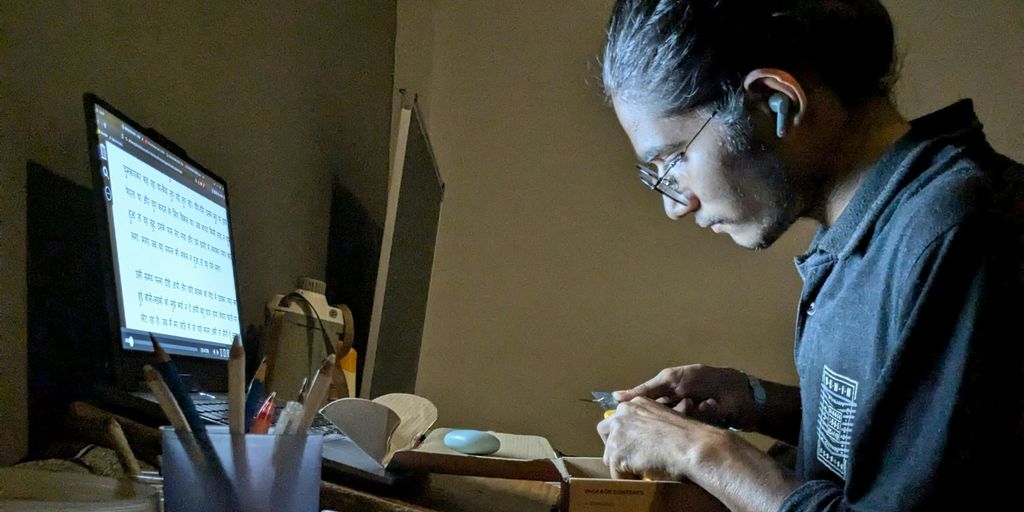
It’s pretty clear that part-time work is becoming a big deal, especially for Baby Boomers easing into retirement. Companies are starting to see the value in offering these roles, not just because it attracts experienced workers, but also because it fills a need for reliable, skilled labor. The shift is noticeable, with more businesses actively seeking out individuals who want to work fewer hours but still contribute meaningfully. This trend is changing how we think about work and retirement, making it more of a gradual transition than an abrupt stop.
Exploring Remote Work Opportunities for Baby Boomers
Remote work isn’t just for the younger crowd anymore. Baby Boomers are finding that working from home offers a sweet deal: flexibility, reduced commute stress, and the ability to balance work with other interests. For many, it’s the perfect way to stay active and engaged without the daily grind of a full-time office job. Companies are realizing that this demographic brings a ton of experience and a strong work ethic to the table, making them ideal candidates for remote positions. It’s a win-win situation, really.
Phased Retirement Plans for a Gradual Transition
Phased retirement is like easing your foot off the gas pedal instead of slamming on the brakes. It allows Baby Boomers to gradually reduce their work hours and responsibilities over time, providing a smoother transition into full retirement. This approach benefits both the employee and the employer. The employee gets to adjust to retirement at their own pace, while the employer retains valuable knowledge and work ethic. Some key aspects of phased retirement include:
- Reduced work hours over a set period.
- Opportunities for mentorship and knowledge transfer.
- Flexibility to adjust the plan as needed.
Phased retirement plans are becoming more common as companies recognize the need to retain experienced workers while also accommodating their desire for a less demanding lifestyle. It’s a smart way to keep valuable skills within the organization and provide a more humane transition for older employees. More Gen X and Baby Boomers are considering pre-retirement sabbaticals to transition into retirement or avoid burnout.
Key Industries Attracting Baby Boomers in Part-Time Retirement Work
It’s interesting to see where baby boomers are landing when they decide to re-enter the workforce. It’s not always about going back to their old jobs; many are exploring new fields that suit their current lifestyles and priorities. Let’s take a look at some of the key industries.
Healthcare Opportunities for Experienced Baby Boomers
Healthcare is a big one. With an aging population, the demand for healthcare professionals is constantly high. Baby boomers with medical backgrounds, even if they’ve been retired for a while, can find plenty of opportunities – from part-time nursing to administrative roles. Plus, there’s a growing need for home healthcare aides, offering flexible schedules and the chance to make a real difference in people’s lives. It’s a win-win. The steady, reliable work ethic that older workers bring is a great asset to the healthcare sector.
Education Sector Welcomes Returning Baby Boomer Professionals
Education is another area where baby boomers are making a significant impact. Schools and universities are often looking for experienced teachers, tutors, and mentors. Many boomers find fulfillment in sharing their knowledge and skills with the next generation. Plus, the education sector often offers flexible hours and the chance to work during the school year, with summers off. This can be a really appealing option for those seeking a less demanding schedule. The flexibility of part-time roles is a great fit for many.
Retail Roles Offering Flexibility for Baby Boomers
Retail might not be the first thing that comes to mind, but it’s actually a popular choice for baby boomers seeking part-time work. Many retail stores offer flexible hours, employee discounts, and a social environment. It’s a good way to stay active, earn some extra income, and interact with people. Plus, the skills gained in retail, such as customer service and communication, are transferable to other industries.
It’s worth noting that many baby boomers are drawn to roles that offer a sense of purpose and social connection. They’re not just looking for a paycheck; they want to feel like they’re contributing something meaningful. This is a key factor driving their choices when it comes to part-time retirement work.
Here’s a quick look at the industries and what makes them attractive:
- Healthcare: High demand, flexible hours, chance to help others.
- Education: Sharing knowledge, flexible schedules, making a difference.
- Retail: Flexible hours, social interaction, employee discounts.
The Evolving Landscape of the American Workforce with Baby Boomers
An Aging Workforce and Its Impact
The American workforce is getting older, and it’s not just a number—it’s a whole shift. Baby Boomers are a big part of this, choosing to stay in the workforce longer than previous generations. This has some pretty big effects. For one, it means companies have to think differently about how they manage and retain employees. They need to consider things like healthcare costs, training programs, and even workplace design to accommodate older workers. The experience these workers bring is invaluable, but it also presents challenges in terms of adapting to new technologies and work styles.
Baby Boomers Contributing to Labor Force Growth
Boomers aren’t just sticking around; they’re actively contributing to the growth of the labor force. This is especially important in industries facing labor shortages. Their decision to keep working, even part-time, helps fill those gaps and keeps the economy moving. It’s a win-win, really. They get to stay active and engaged, and businesses get the benefit of their skills. It’s interesting to see how this trend is changing the overall dynamics of the workforce.
Redefining the Traditional Retirement Age
What does retirement even mean anymore? It used to be a clear-cut thing: you hit a certain age, and you stopped working. But Baby Boomers are throwing that idea out the window. They’re redefining what it means to retire, often choosing to work part-time or pursue new careers well into their 60s and 70s. This shift is challenging the traditional notions of aging and work. It’s also forcing us to rethink social security, healthcare, and other systems designed around the old model of retirement. The economic effects are significant, and we’re only just beginning to understand the long-term implications.
The traditional idea of retirement is fading. People are living longer, staying healthier, and wanting to remain active and engaged. This means the workforce is becoming more diverse in age, and that’s a good thing. It brings different perspectives, experiences, and skills to the table.
Here are some things to consider:
- The rise of flexible work arrangements.
- The increasing need for lifelong learning.
- The changing expectations of workers of all ages.
Navigating New Career Paths and Entrepreneurship for Baby Boomers
Exploring New Professional Ventures in Retirement
Retirement doesn’t have to mean the end of your career; for many Baby Boomers, it’s a chance to try something completely different. Maybe you’ve always dreamed of being a baker, a writer, or a consultant. Now is the time to explore those passions. The key is to be open to new experiences and willing to learn new skills. Think about what you truly enjoy and what skills you have that could be applied in a new field. It’s about finding something that brings you joy and keeps you engaged. Many boomers are finding fulfillment in encore careers, using their experience in new ways.
Freelance Opportunities for Baby Boomer Expertise
The freelance world is booming, and it’s a great fit for Baby Boomers looking for flexible work. With decades of experience under their belts, Boomers have a wealth of knowledge to offer as consultants, writers, editors, or project managers. Platforms like Upwork and Fiverr make it easy to find freelance gigs, and you can set your own hours and rates. It’s a great way to stay active, earn extra income, and share your skills with the world. Plus, you get to be your own boss!
Entrepreneurial Spirit Among Older Workers
Who says you can’t start a business in your 60s or 70s? Many Baby Boomers are proving that age is just a number when it comes to entrepreneurship. Whether it’s launching a small online store, starting a consulting firm, or opening a local business, Boomers are bringing their experience and passion to the table. It’s not always easy, but it can be incredibly rewarding. Plus, with the job vacancies created by retiring boomers, there’s plenty of opportunity to create something new.
Starting a business later in life can be daunting, but it also offers a unique opportunity to build something on your own terms. It’s a chance to use your accumulated knowledge and experience to create something meaningful and impactful. Don’t be afraid to take the leap and pursue your entrepreneurial dreams.
Here are some ideas for entrepreneurial ventures:
- Consulting services based on your previous career.
- Online courses or workshops sharing your expertise.
- Crafting or creating handmade goods to sell online or at local markets.
The Broader Societal Impact of Baby Boomers in Part-Time Retirement Work
Addressing the Retirement Savings Gap for Baby Boomers
Many baby boomers find themselves needing to work part-time in retirement to supplement their savings. The shift towards part-time work helps bridge the gap between retirement income and living expenses. It’s not just about covering the basics; it’s also about maintaining a certain quality of life. This trend highlights the need for better financial planning resources and strategies tailored to retirement and aging.
Challenging Traditional Retirement Frameworks
The traditional idea of complete retirement at a specific age is being challenged. Baby boomers are redefining what it means to retire, opting for a more gradual transition that includes part-time work. This shift has implications for social security, healthcare, and other systems designed around the old model. We’re seeing a move towards more flexible and individualized approaches to later life, which is pretty cool. It’s like, who says you have to stop working completely? Some people really enjoy it, and that’s okay!
The Positive Influence of Older Workers on the Economy
Baby boomers who continue to work, even part-time, contribute significantly to the economy. They bring experience, skills, and a strong work ethic to the table. Their participation helps fill labor shortages and boosts economic activity. Plus, they often serve as mentors and trainers for younger workers, passing on valuable knowledge. It’s a win-win situation. The impact of baby boomers is undeniable.
The continued presence of baby boomers in the workforce is reshaping our understanding of retirement. It’s not just about finances; it’s about purpose, engagement, and contributing to society. This generation is showing us that retirement can be a new chapter, not just an ending.
Here are some ways older workers positively influence the economy:
- Filling critical labor gaps in sectors like healthcare and education.
- Boosting consumer spending through their earnings.
- Contributing to innovation and productivity with their experience.
The New Retirement Story
So, what does all this mean for retirement as we know it? It’s pretty clear things are changing. The idea of just stopping work completely at a certain age? That’s not the only path anymore. More and more, people are finding ways to keep working, even if it’s just a little bit. This whole "unretirement" thing isn’t just about money for everyone, though that’s a big part of it. It’s also about staying busy, feeling useful, and keeping up with friends. It looks like the future of retirement is going to be a lot more flexible, with folks writing their own rules as they go.
Frequently Asked Questions
Why are more Baby Boomers working part-time after they retire?
Many Baby Boomers are choosing to work part-time in retirement for a mix of reasons. Some need extra money to live comfortably, as retirement funds might not stretch as far as they hoped. Others simply enjoy working; it gives them a sense of purpose, keeps their minds active, and helps them stay connected with other people. It’s not just about money, but also about staying busy and feeling useful.
What are the benefits for Baby Boomers who work part-time in retirement?
Working part-time can be really good for Baby Boomers. It helps them earn money, which can make their retirement savings last longer. It also keeps them mentally sharp and gives them a reason to get up and go each day. Plus, working lets them meet new people and stay involved in their communities, which is good for their happiness and health.
What kinds of jobs are popular for Baby Boomers working part-time?
Many different jobs are open to Baby Boomers looking for part-time work. Popular areas include healthcare, like helping out in clinics or hospitals, and education, such as tutoring or substitute teaching. Retail jobs are also common, offering flexible hours. There are also opportunities in consulting, where they can use their years of experience, or even starting their own small businesses.
How are companies making it easier for Baby Boomers to work part-time?
Companies are becoming more open to older workers because they bring a lot of experience, wisdom, and a strong work ethic. Many businesses are now offering flexible hours, remote work options, and even ways to slowly reduce hours over time, which makes it easier for Baby Boomers to balance work with their retirement life.
How does Baby Boomers working part-time affect the economy?
Working part-time in retirement can help the economy in several ways. It means more experienced workers are contributing their skills, which can boost productivity. It also helps older people stay financially independent, reducing the need for public assistance. Plus, their earnings are spent back into the economy, supporting businesses and jobs.
What advice would you give to a Baby Boomer considering part-time retirement work?
If you’re a Baby Boomer thinking about part-time work in retirement, start by figuring out what you enjoy and what skills you have. Think about how many hours you want to work and what kind of flexibility you need. You can look for jobs online, talk to people you know, or even consider creating your own small business. It’s a good idea to talk to a financial advisor too, to see how working might affect your retirement plans.